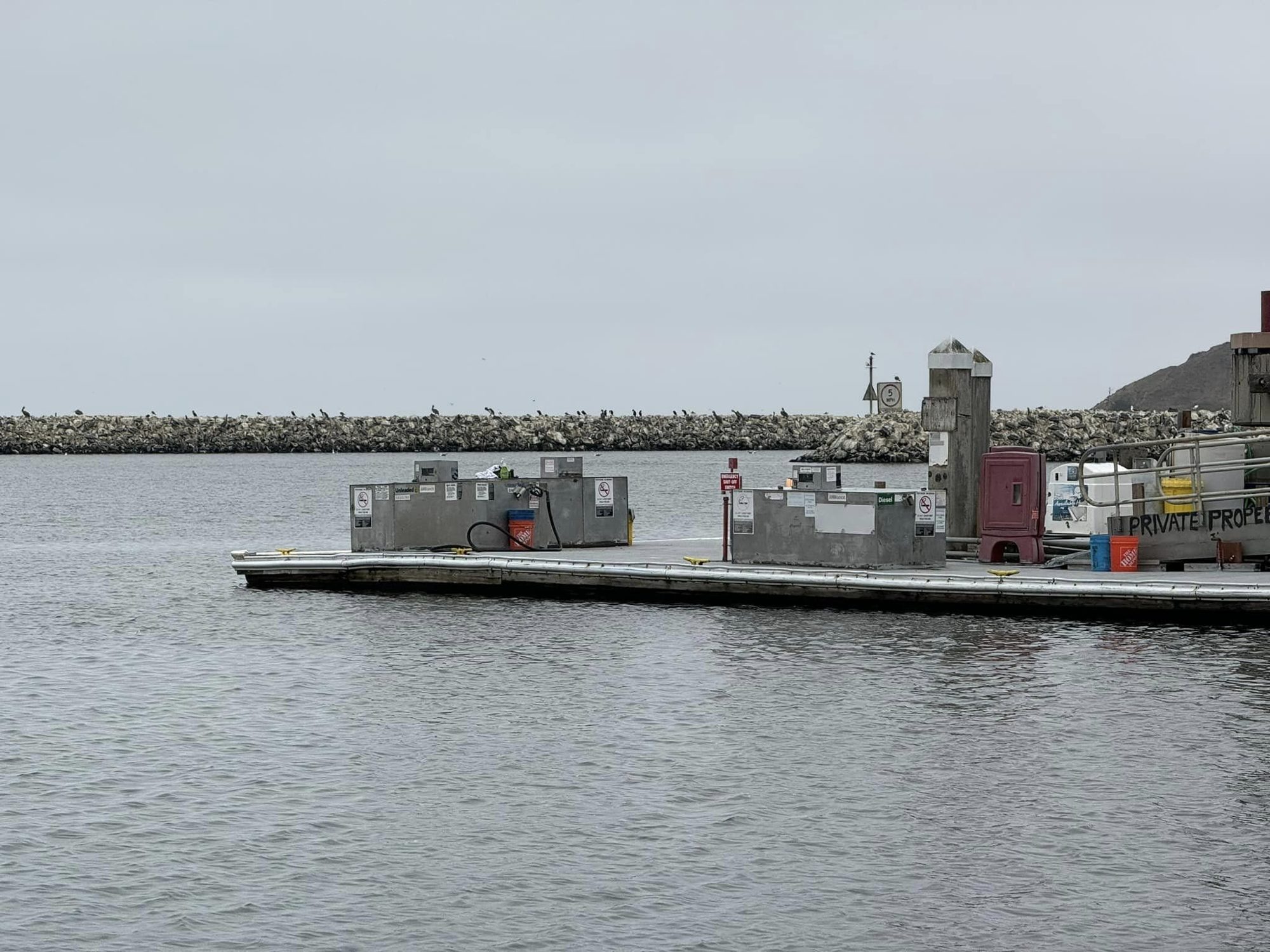
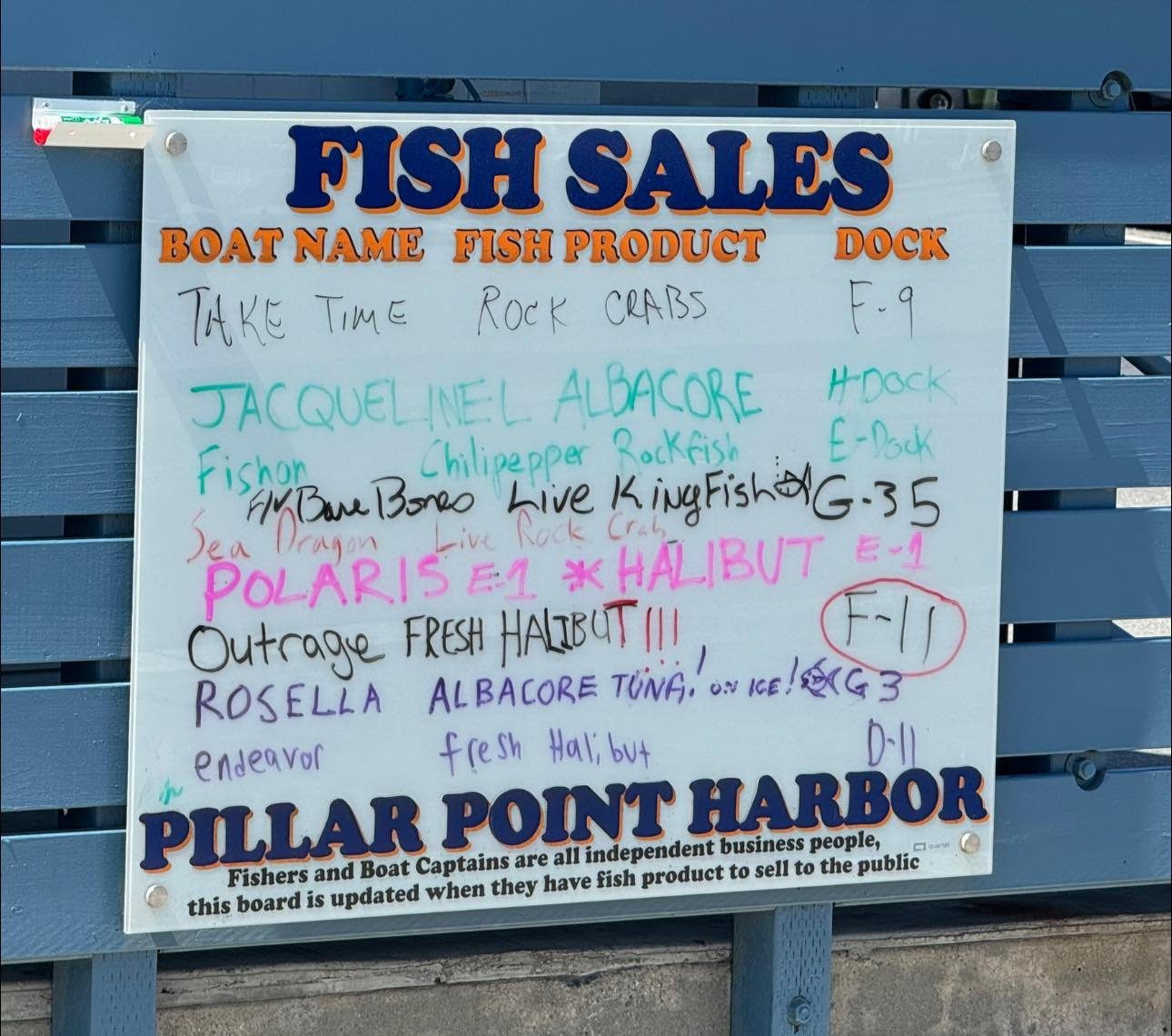
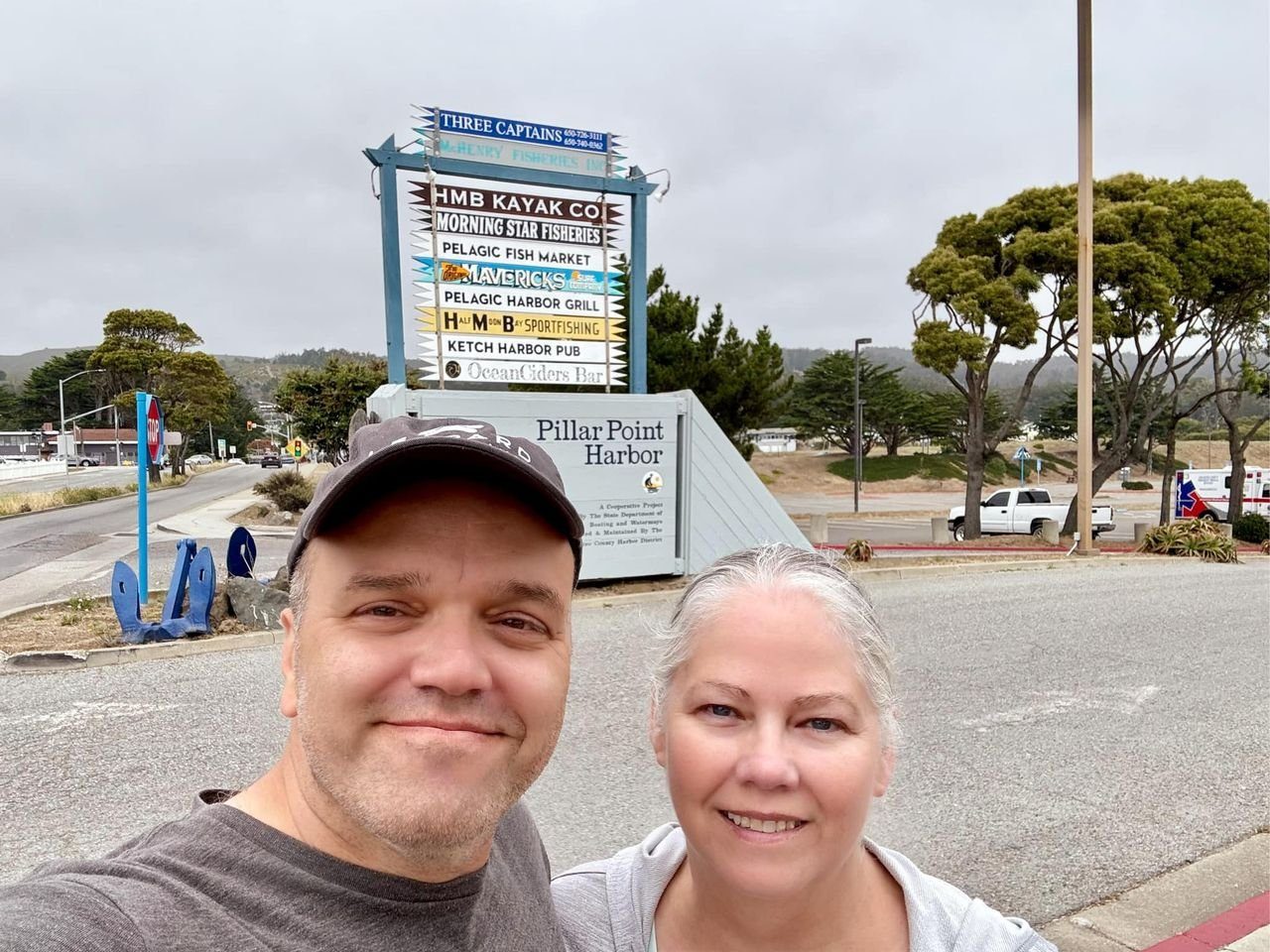
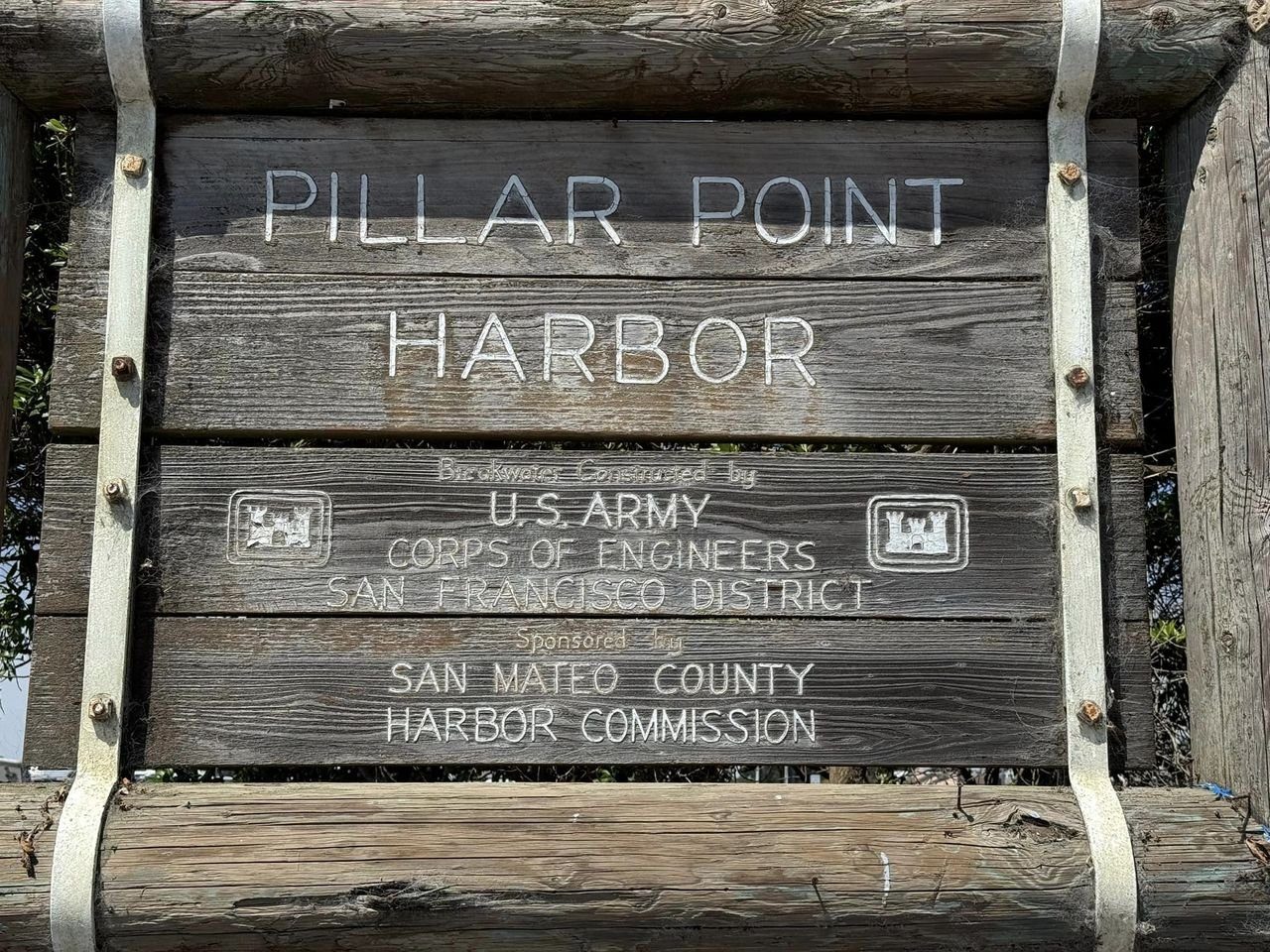
Half Moon Bay (Pillar Point Harbor)

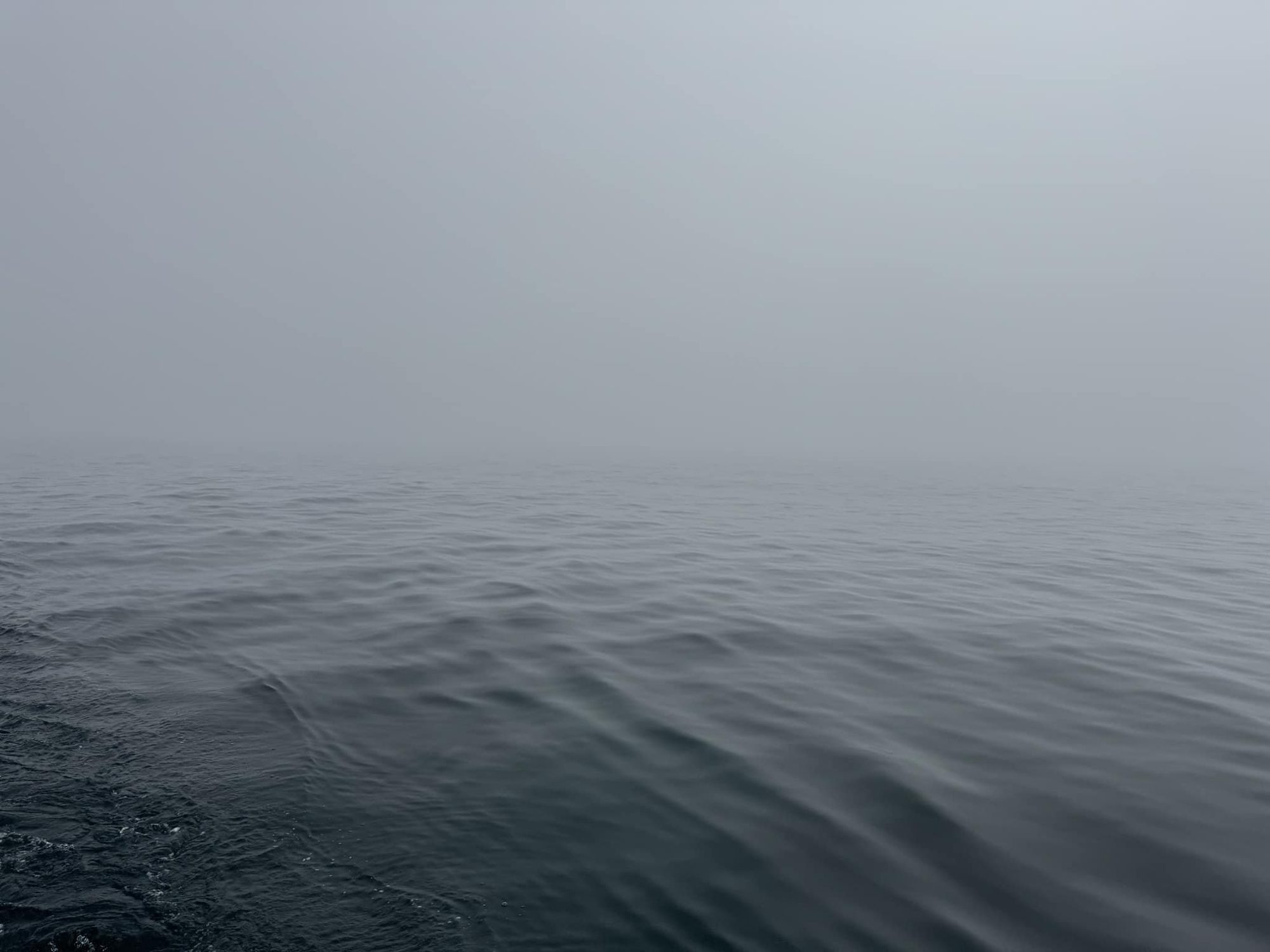
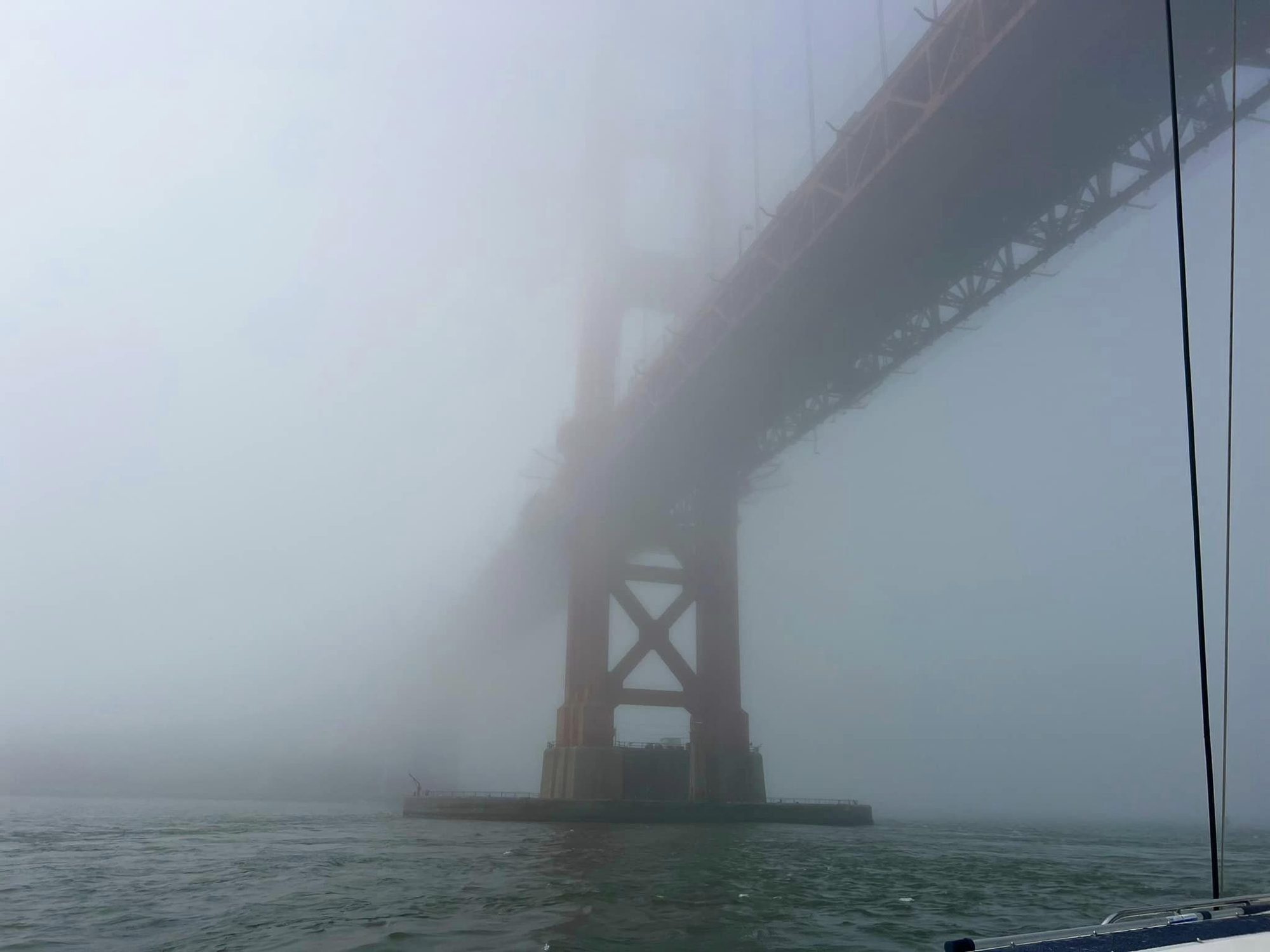
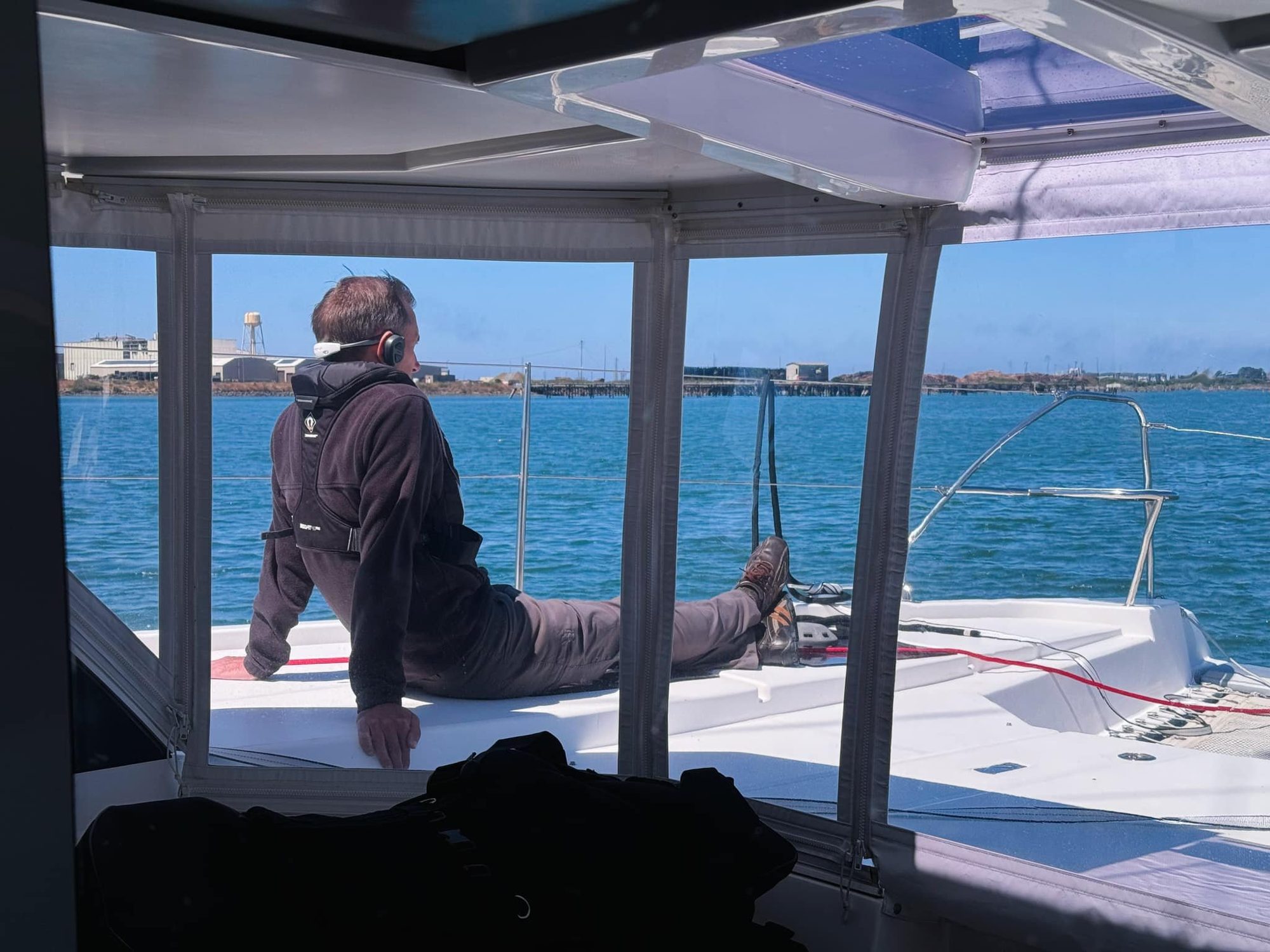
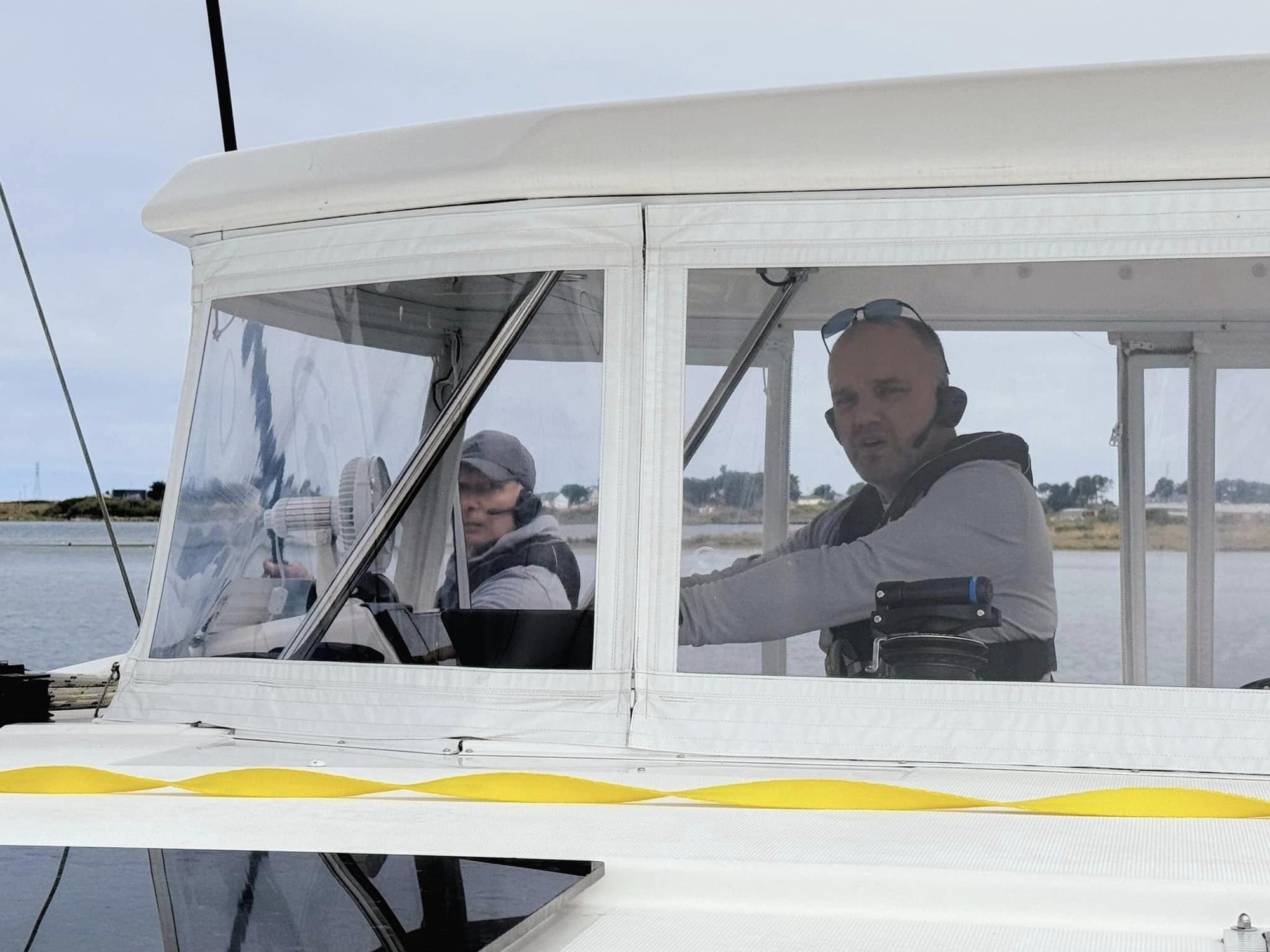
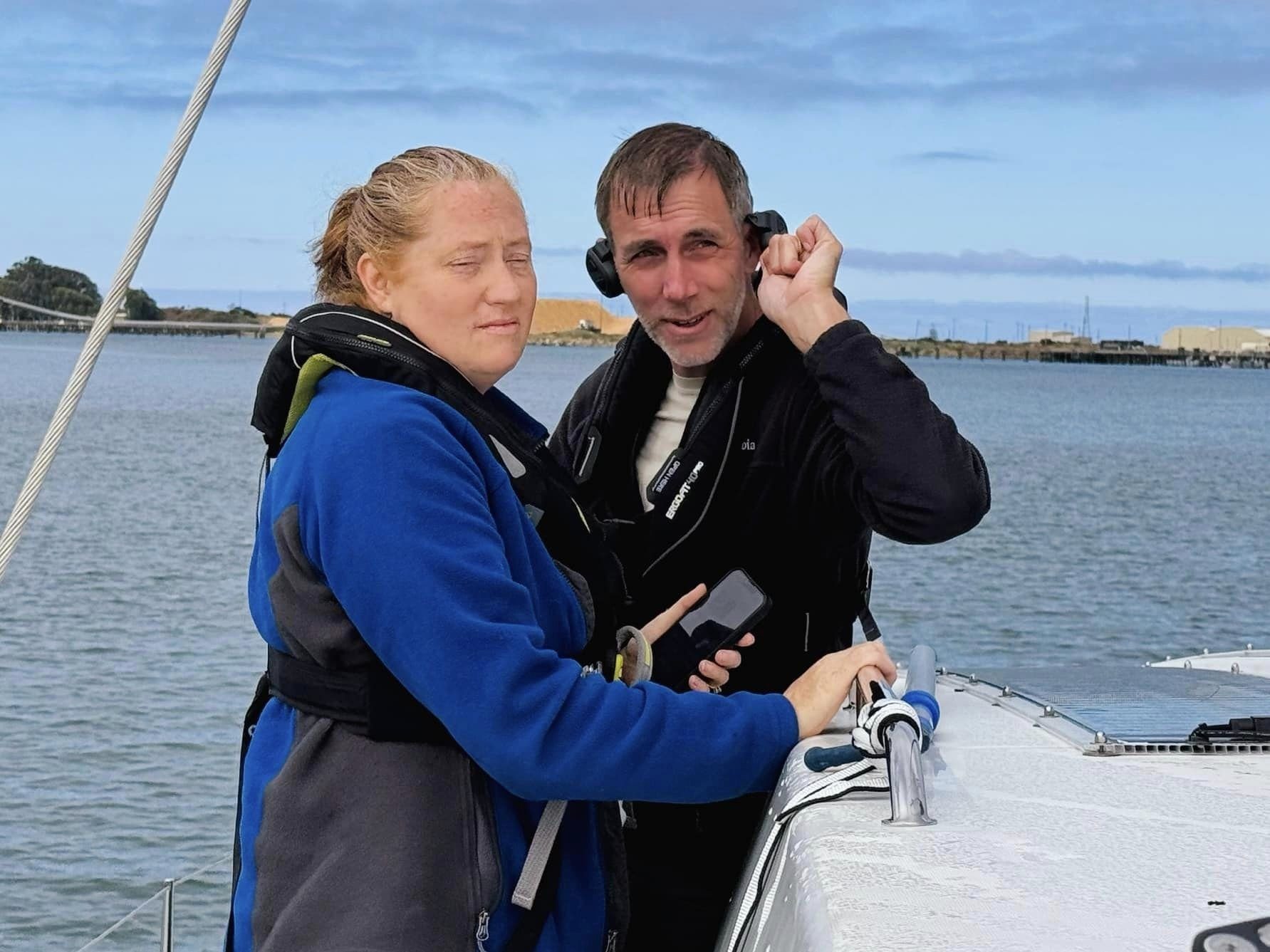
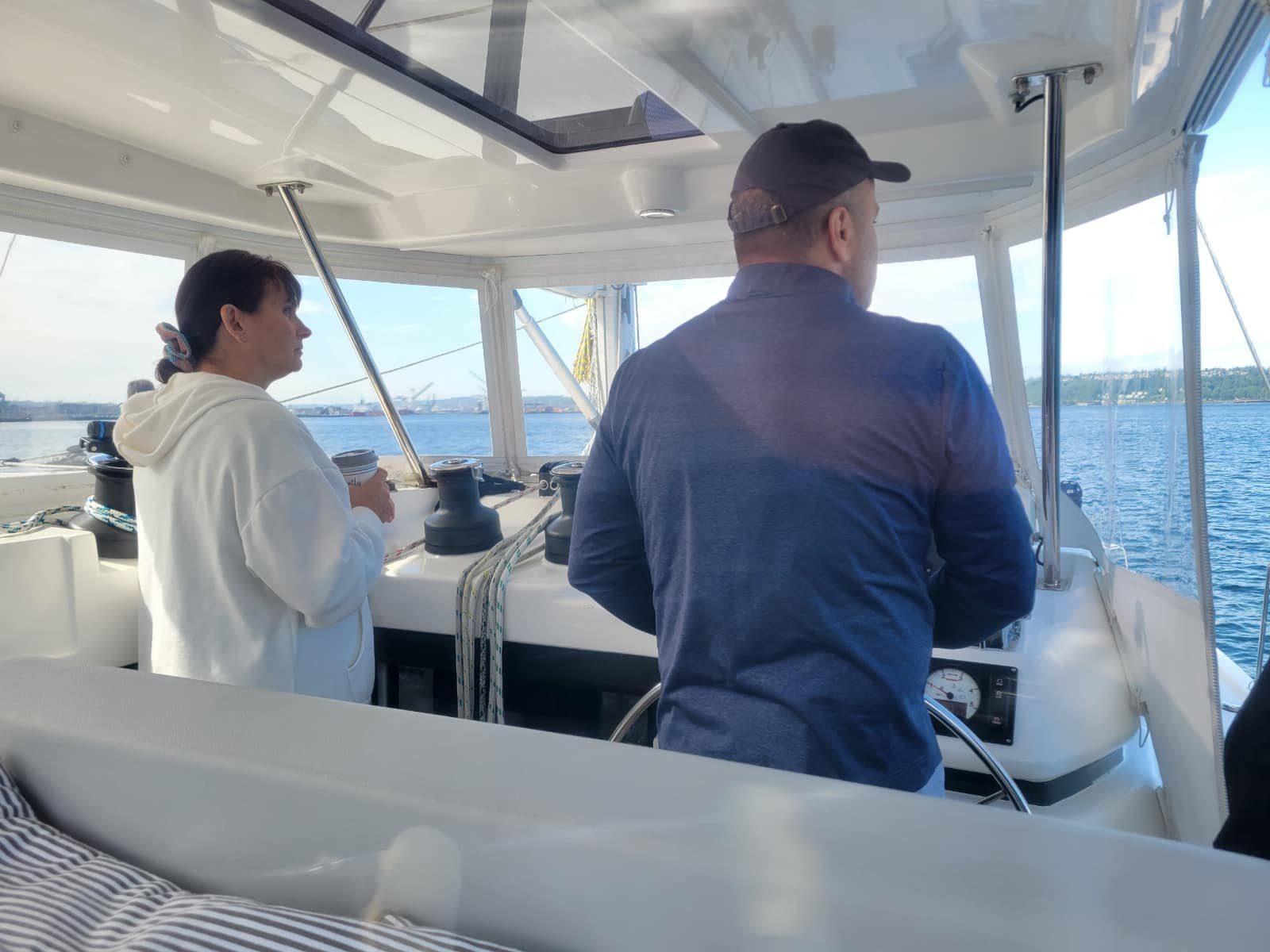
Passed under the Golden Gate Bridge in moderate to heavy fog for a short 33nm passage to Half Moon Bay.

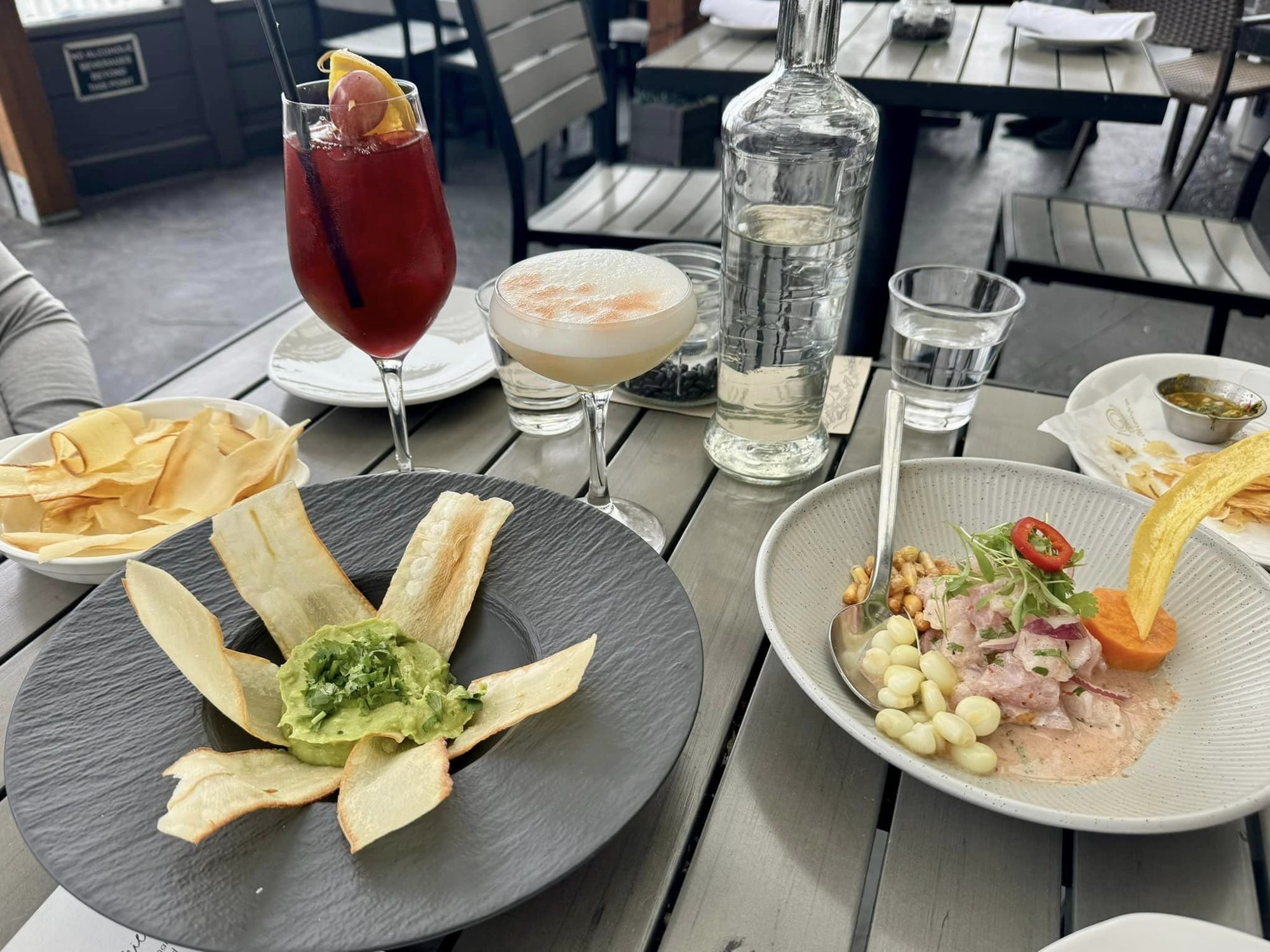
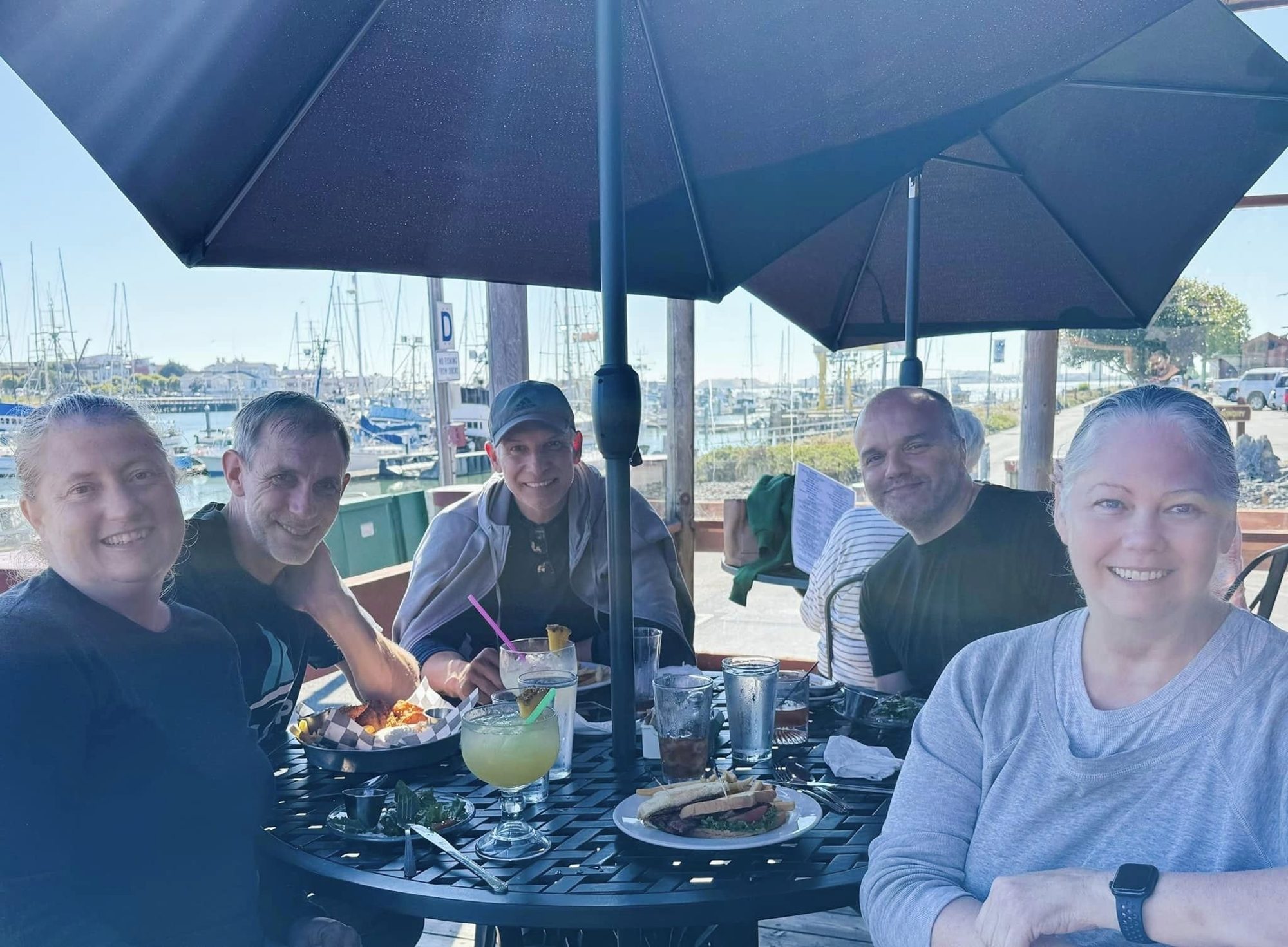
Always fun checking out new places… El Granada CA is a nice little town, great food and the people were really nice. Met some local fishermen and a sailing class that stopped overnight as part of their ASA 108 practical (offshore navigation).

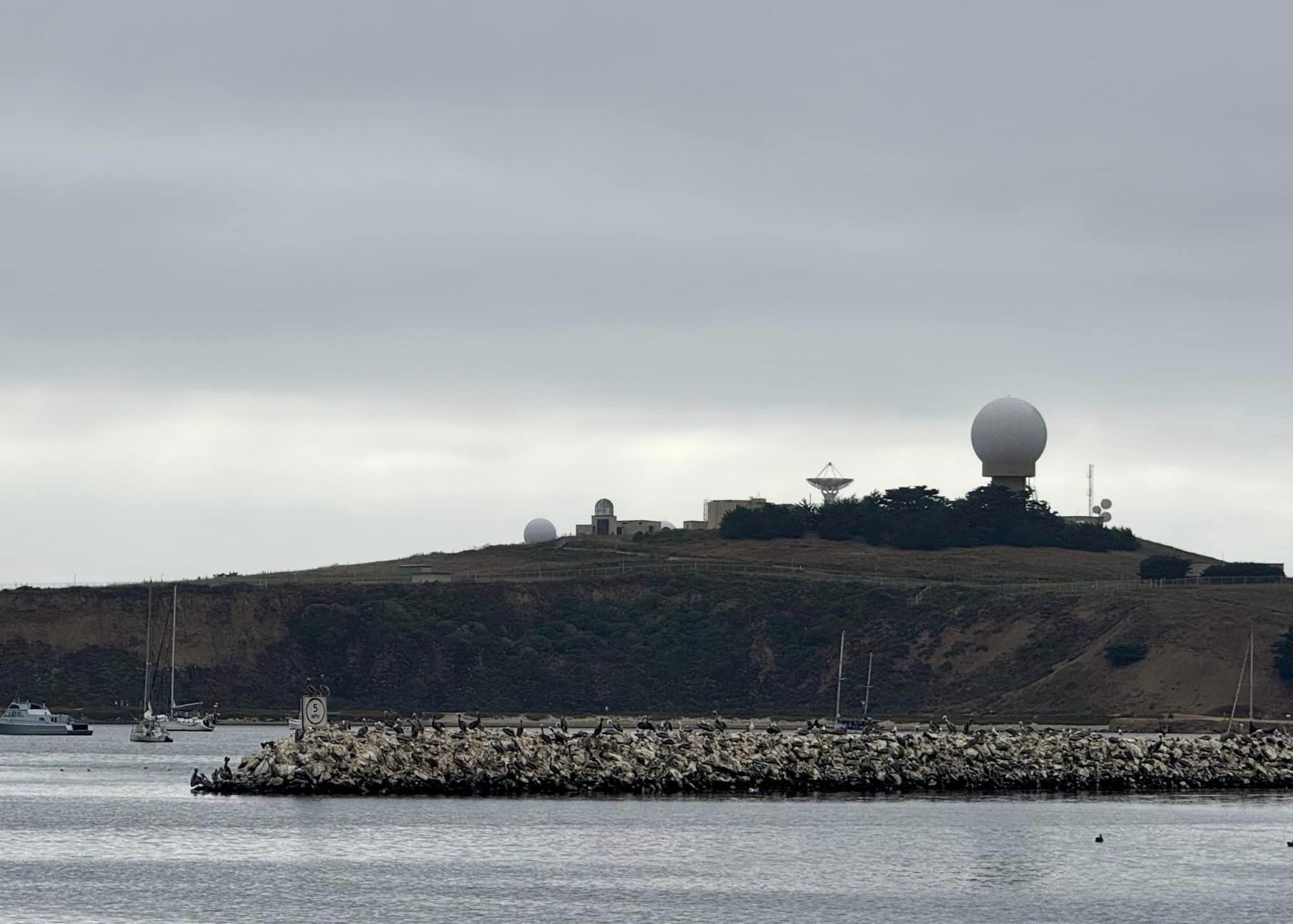
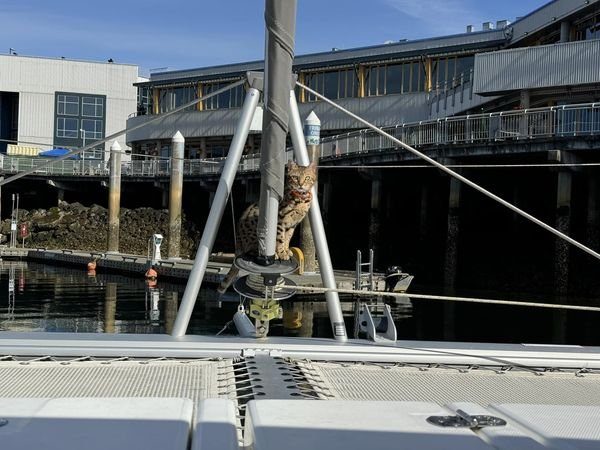
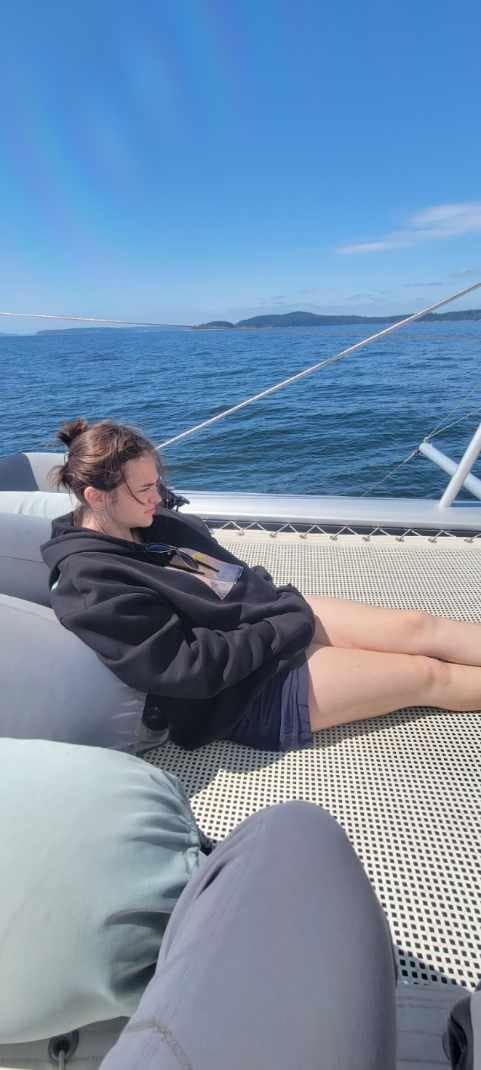
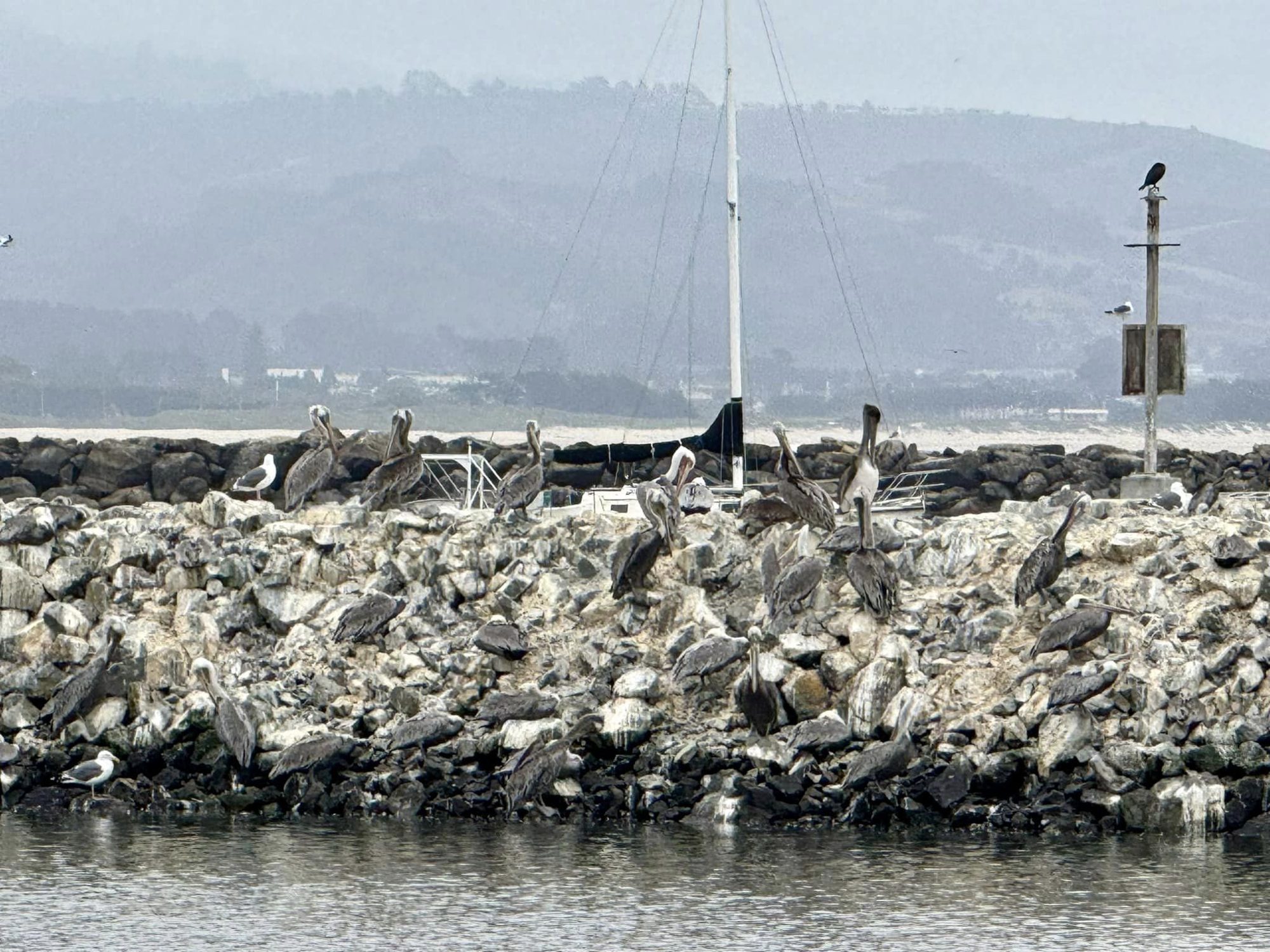
Zoe and Emme enjoyed watching and listening to the dozens of birds on the breakwater as they flew and squawked at the fishing boats passing by.

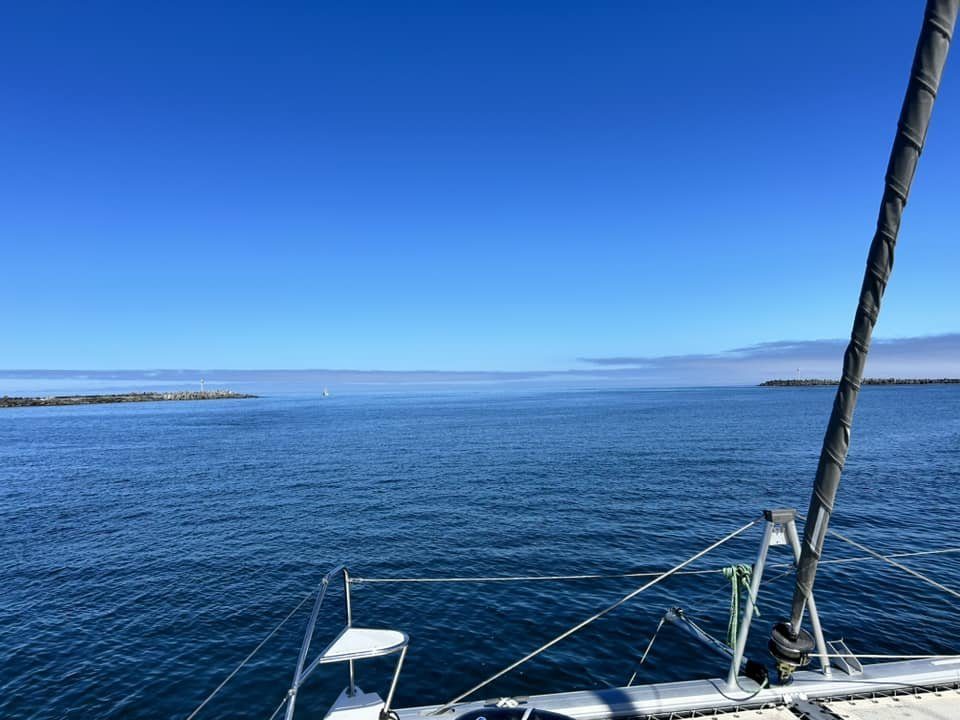
Pillar Point is a well-known location on the coast of Northern California, near Half Moon Bay. The area is famous for its dramatic cliffs, ocean views, and surfing at the nearby Mavericks Beach.

We had planned to move further south yesterday but the weather at our destination changed so we decided to stay a few more days to wait for a better weather window and reconsider a longer passage to avoid the weather around the entrance into that bay.

It’s a different feeling to be able to go at a slower pace and choose when to go vs being on a schedule and going when the conditions might not be as comfortable. First time we’ve had the luxury of choice.
Sausalito

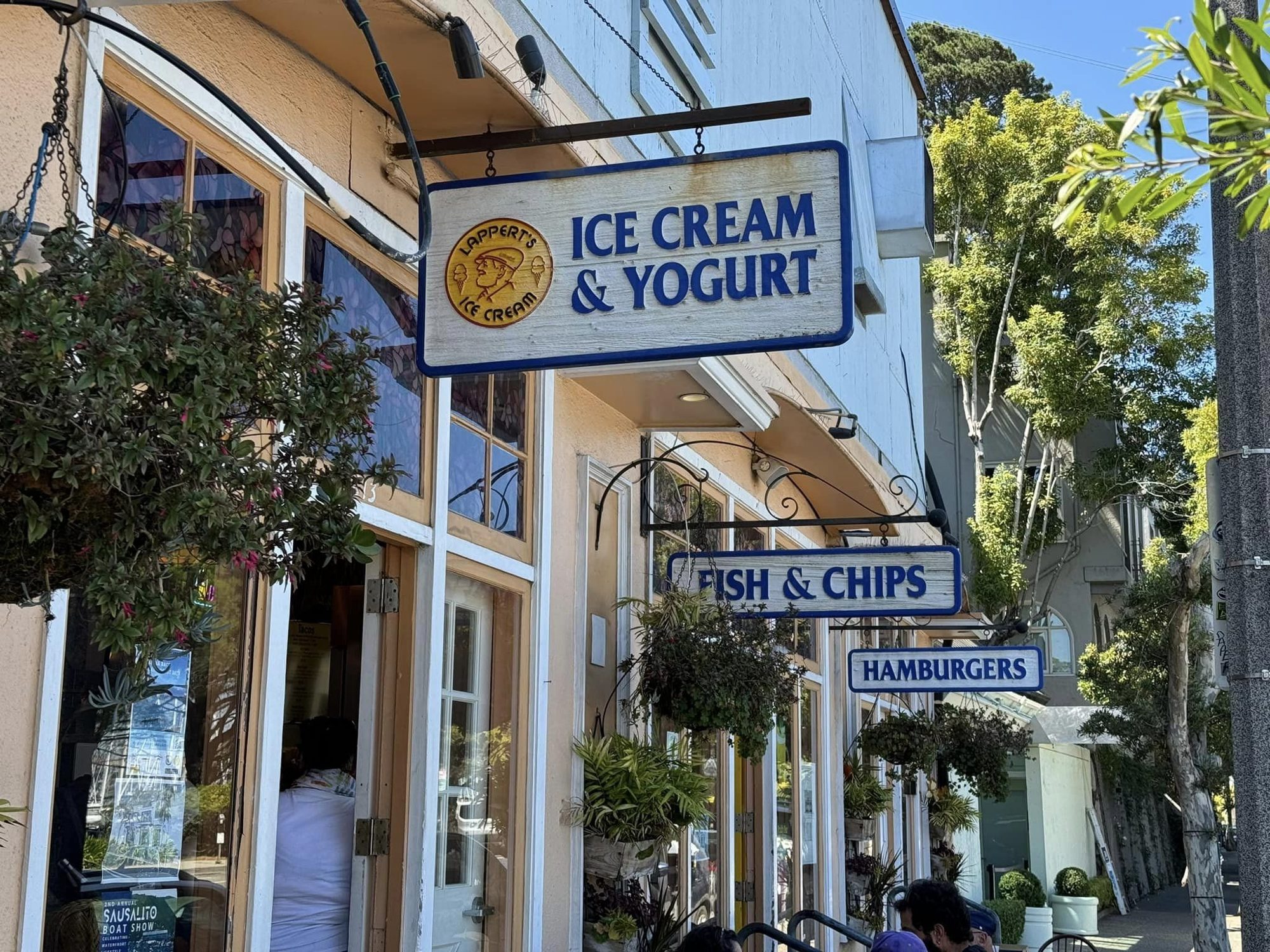
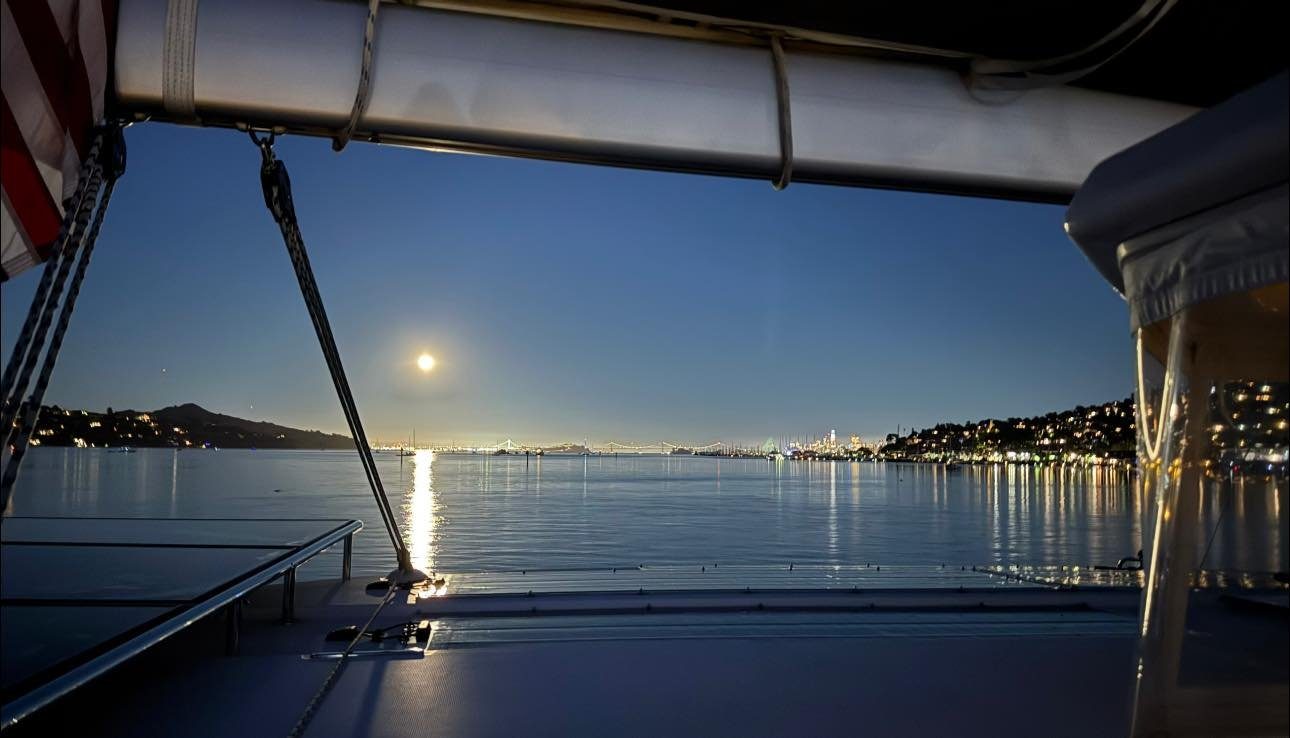
Enjoyed our time in Sausalito and San Francisco. Had the opportunity to explore, provision, bid farewell to our crew, visit with friends and get some much needed rest.

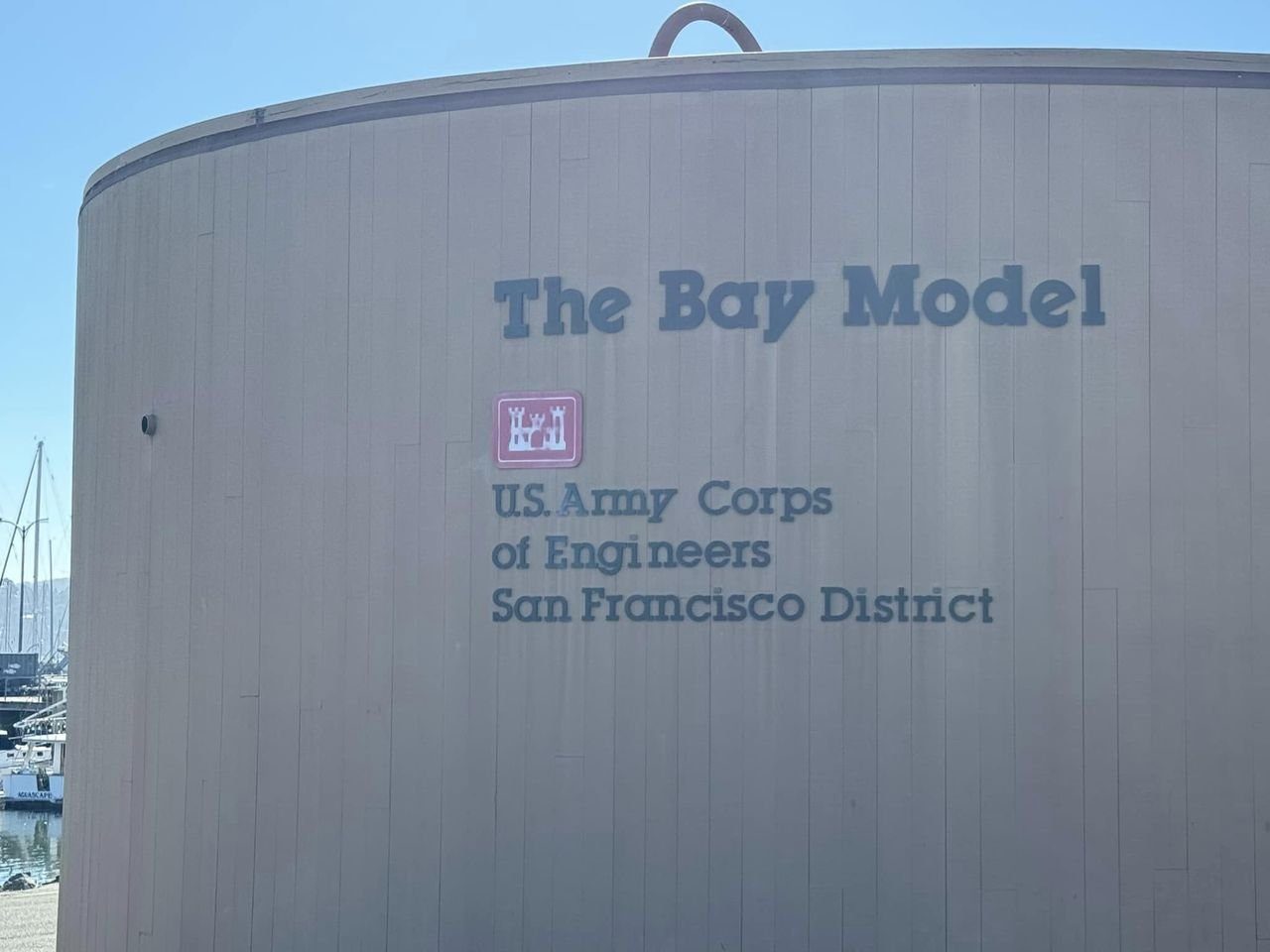
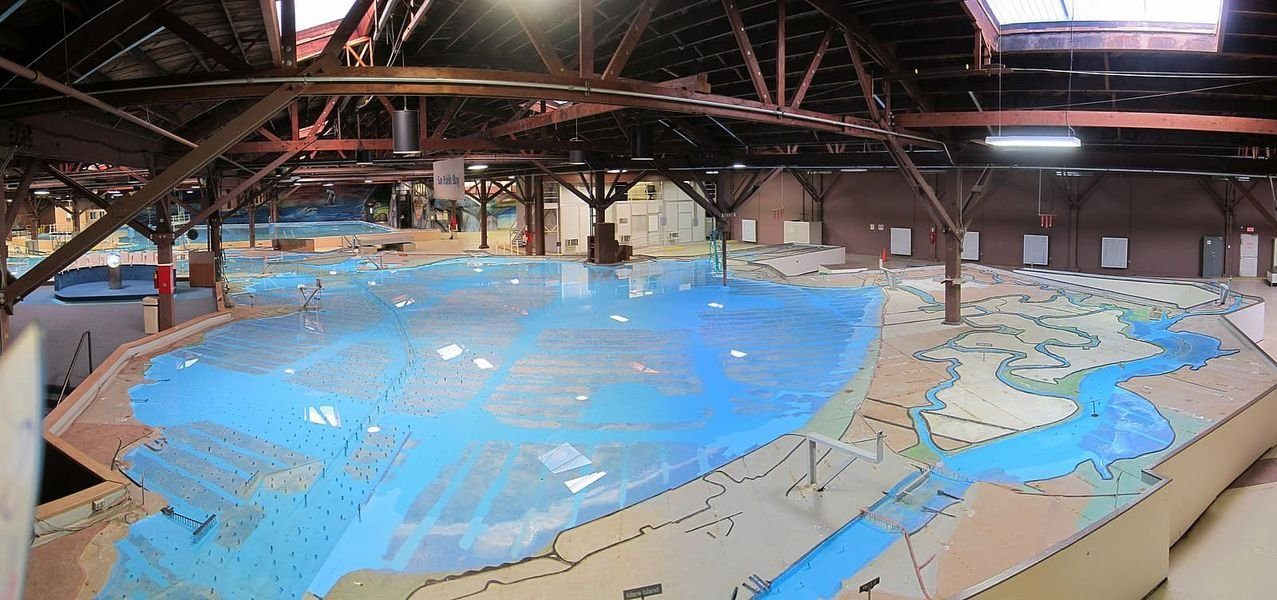
Visited the Bay Model Museum in Sausalito CA… it’s the size of two football fields and reproduces features that affect the water flow of the San Francisco Bay and Sacramento-San Joaquin Delta, including ship channels, rivers, creeks, sloughs, the canals in the Delta, fills, major wharfs, piers, slips, dikes, bridges, and breakwaters.

https://www.spn.usace.army.mil/Missions/Recreation/Bay-Model-Visitor-Center/

The BIG LEFT TURN: Port Townsend to San Francisco

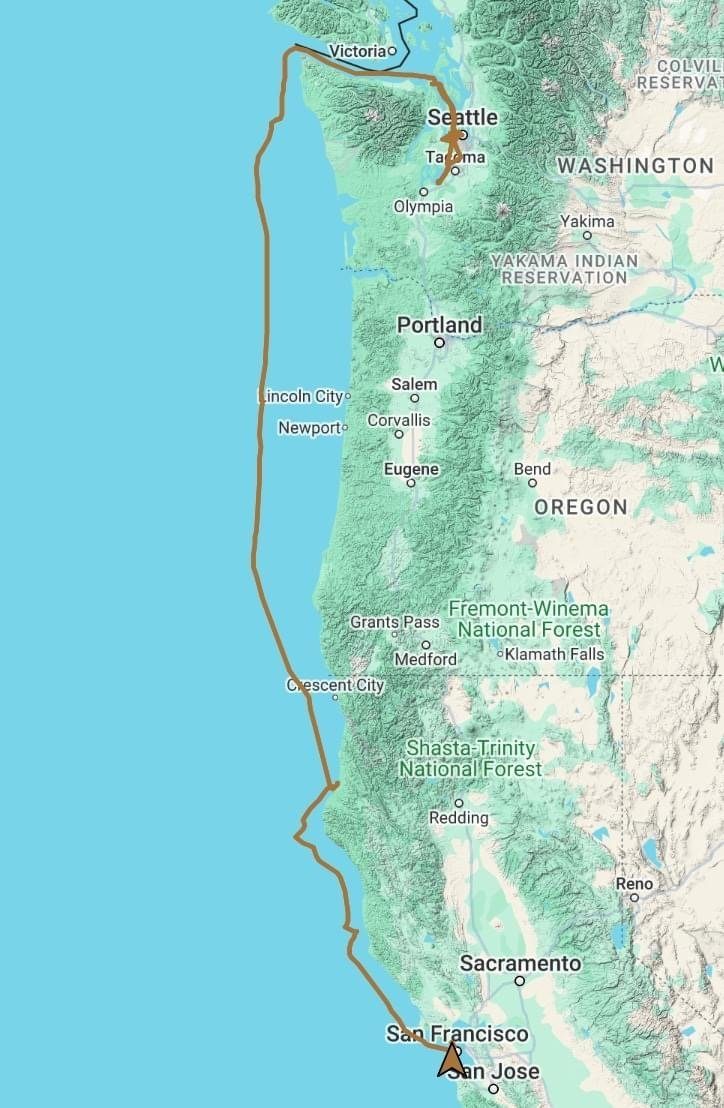
August 28th, we completed 1251nm from Port Townsend WA to San Francisco CA (with a brief stop in Eureka CA to await a weather window).

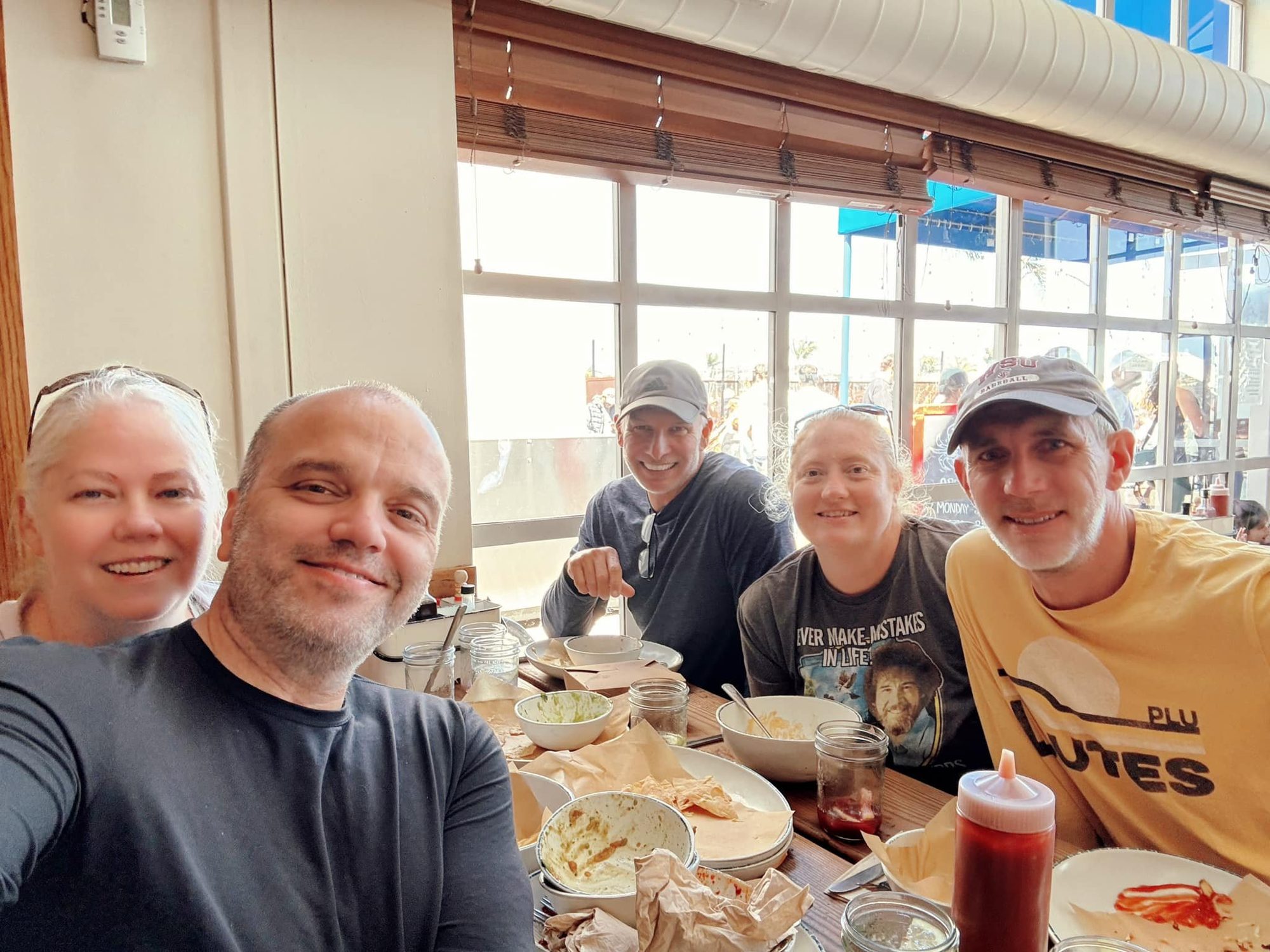
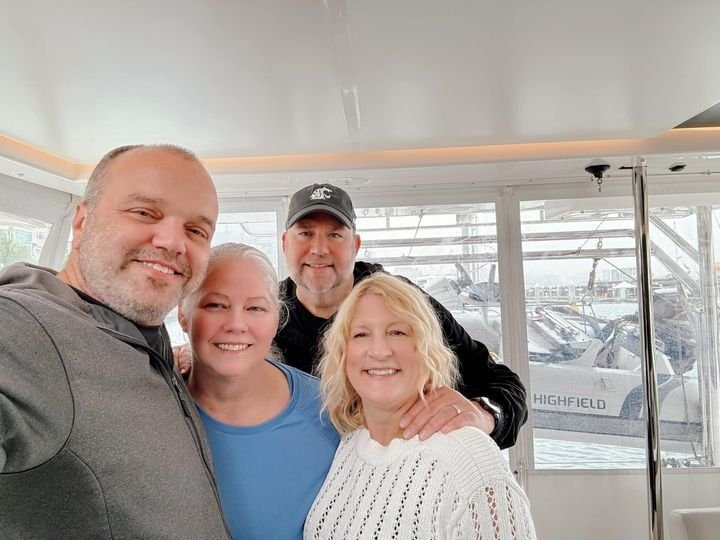
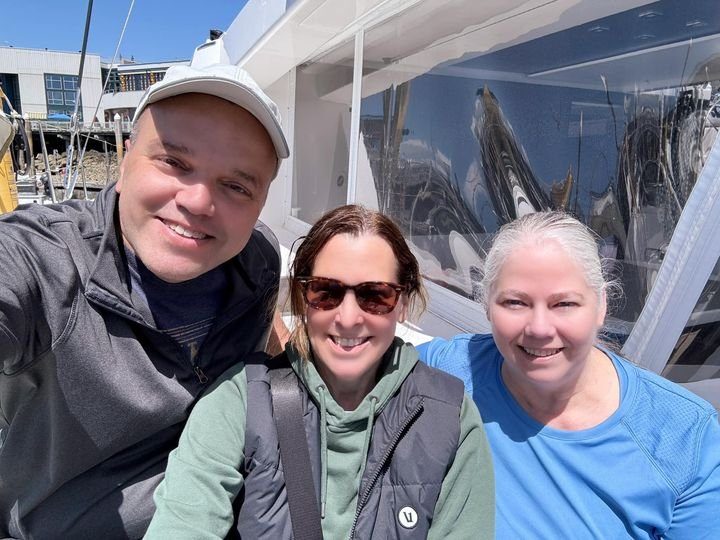
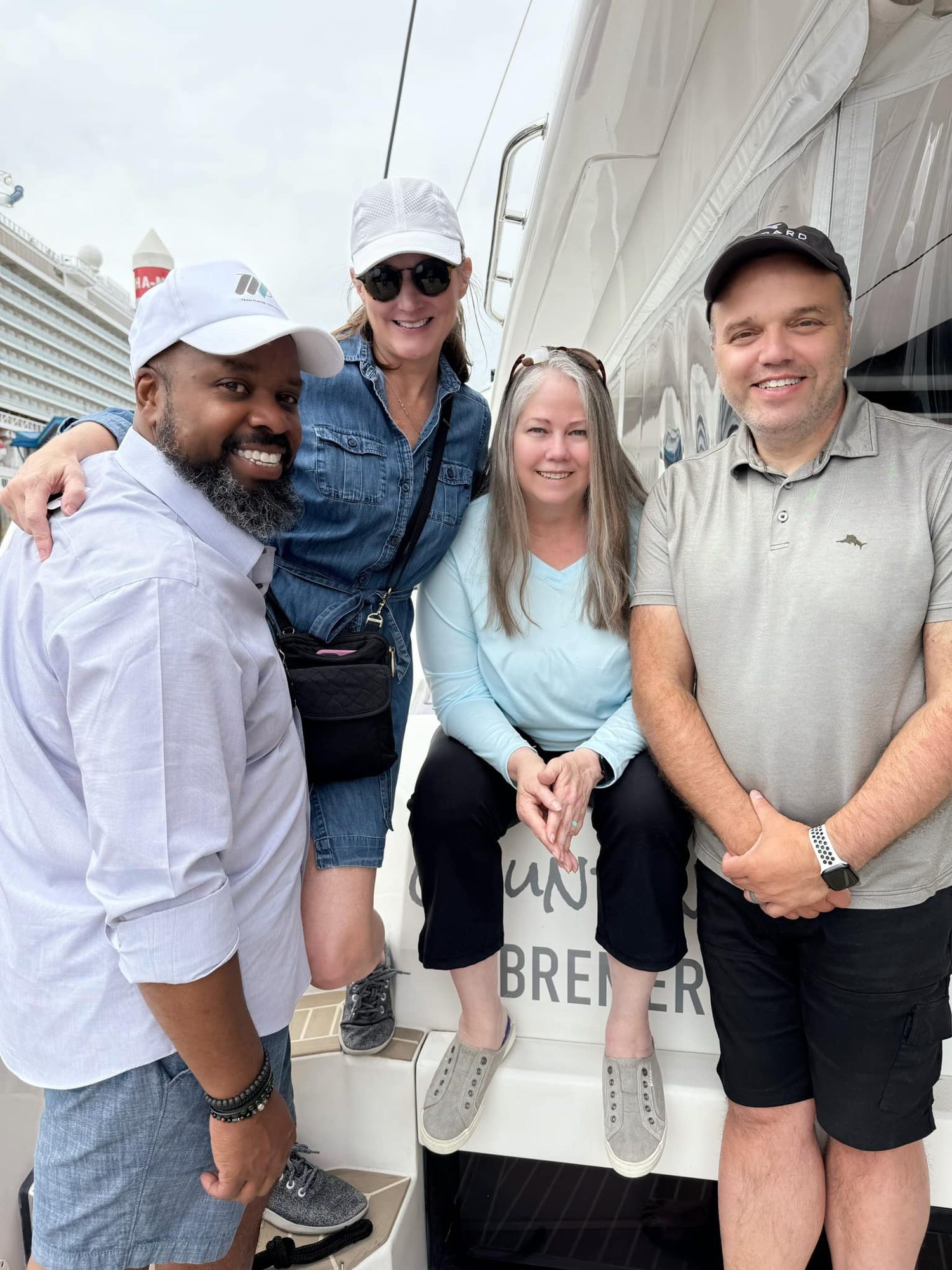
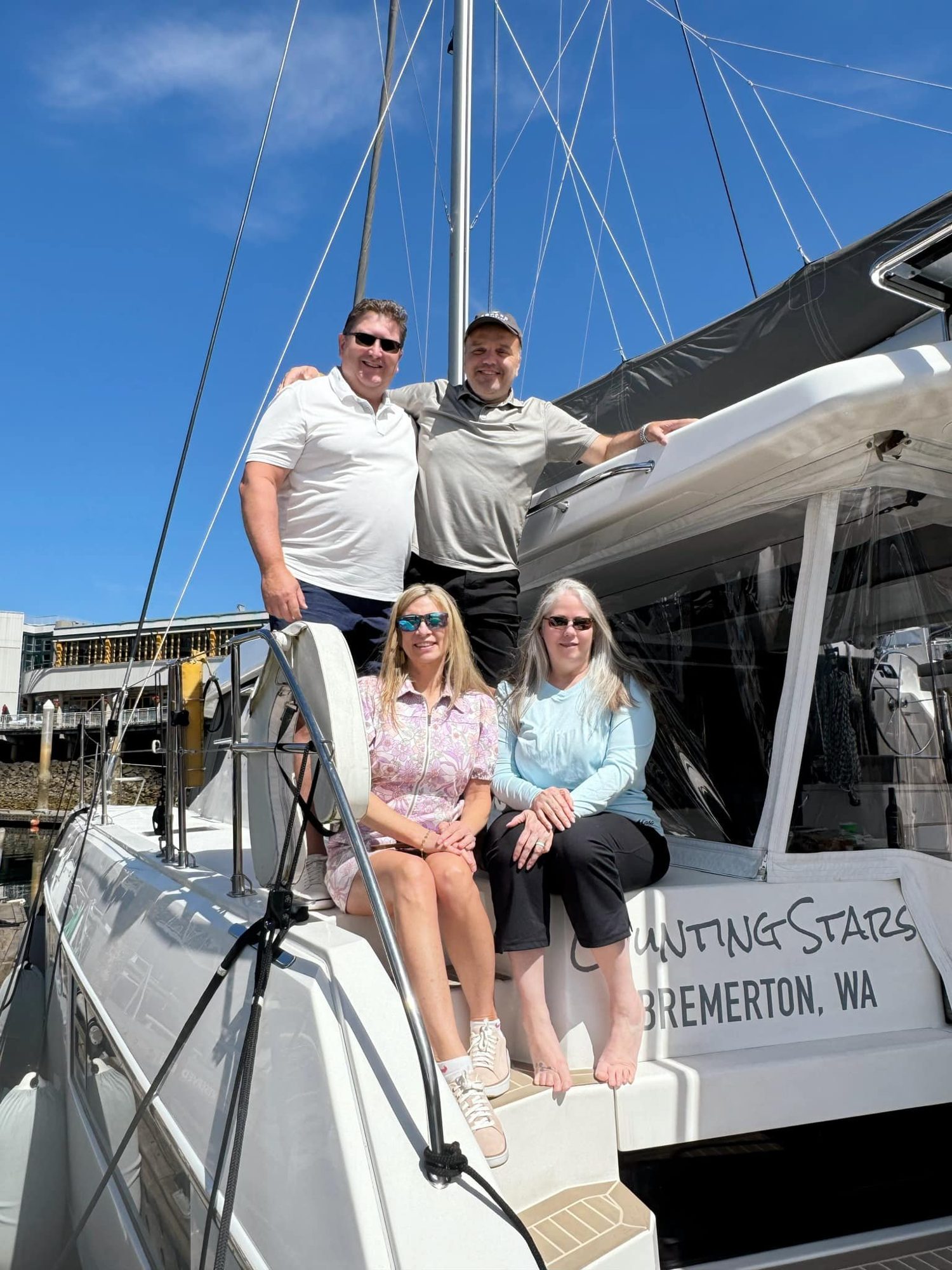
It was great to have our friends Andy Temesvary, Patrick and Victoria Gehring join as crew to share the load… but even better to share a meal, a drink, laughs and the memories of the 8-day passage:

Day 1: August 11th, we departed Port Townsend early morning for Neah Bay, in moderate fog and motored as the winds were <2kts.

Day 2: August 12th, made the “BIG LEFT TURN” out of the Strait of Juan de Fuca into the Pacific around 1am. Continued making way under motor as the winds were too light and variable to sail. With 2-3m swell on beam and choppy waves, we headed further west to where the depth drops to get a better sea state before turning south again. Sightings: multiple pods of whales in the Strait south of Neah Bay; Dall’s porpoises off Washington coast west of the Olympic National Park.

Day 3: Off Oregon Coast. Motored, calm seas, no wind. Crew settled into watch schedules including Emme and Zoe who quickly got their sea “paws”.

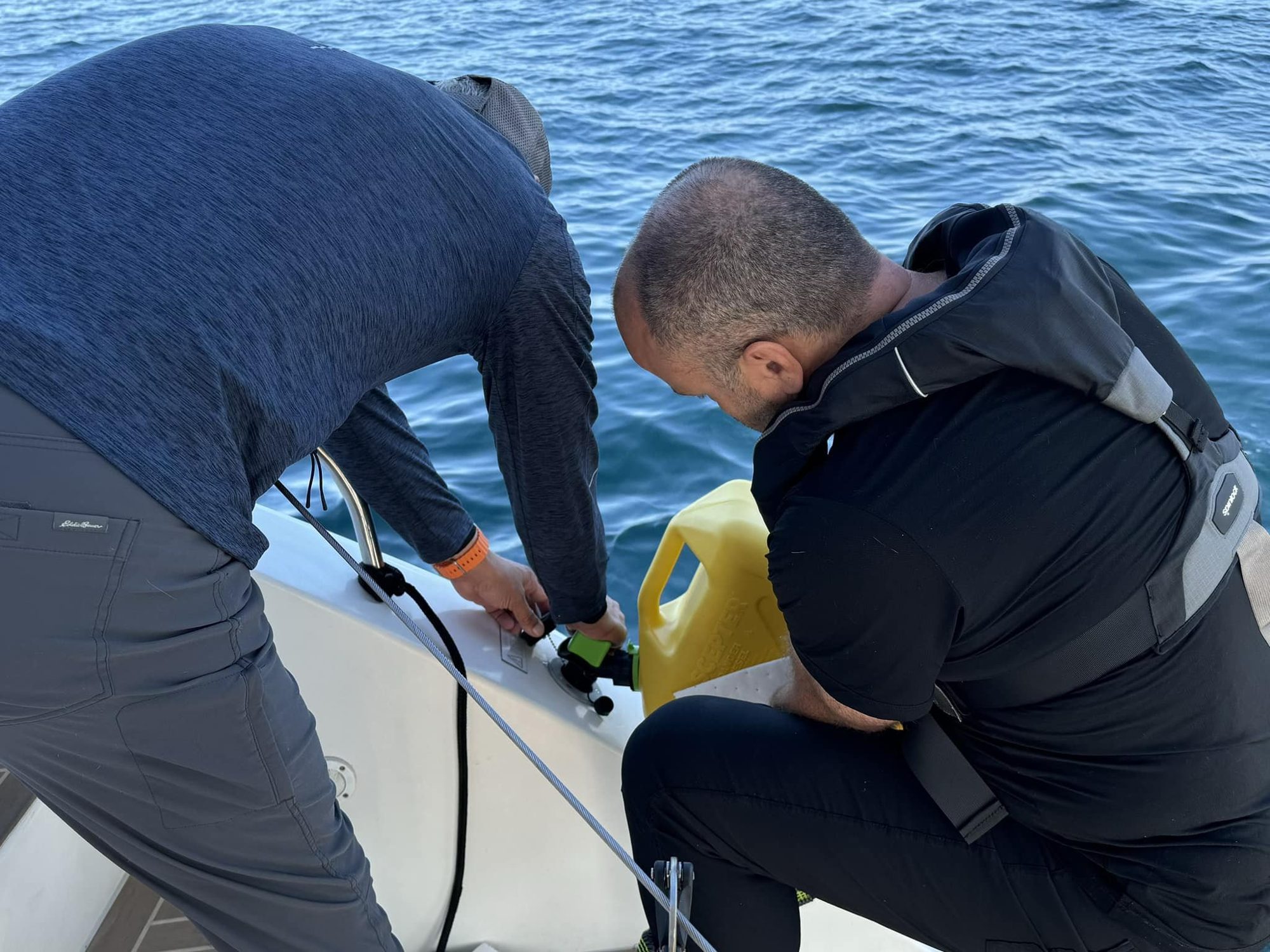
Day 4: Although the fuel level was good, we took advantage of the calm sea state to top off the fuel tanks to be ready should a weather window open to skip Eureka and push on to round Cape Mendocino.

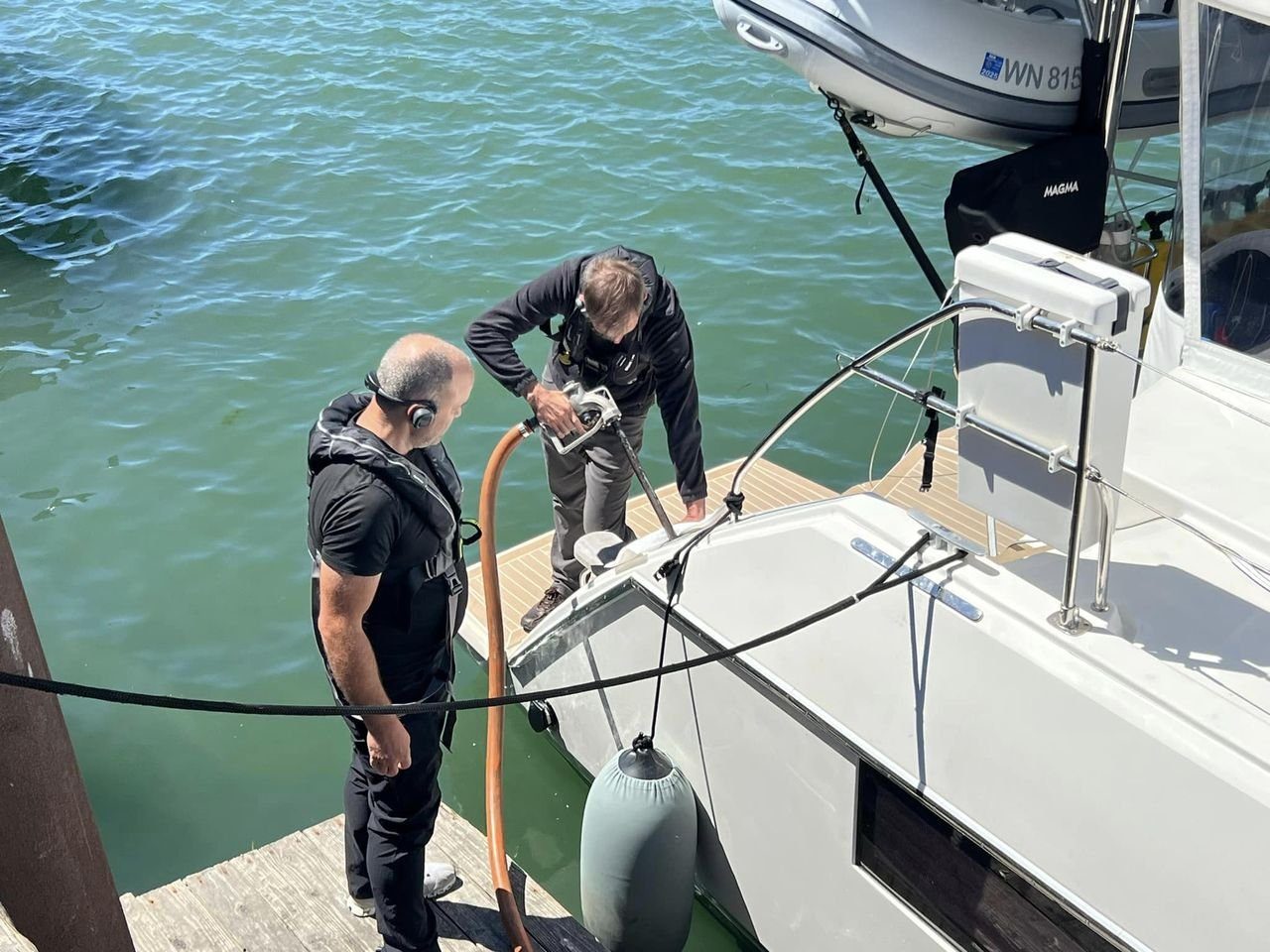
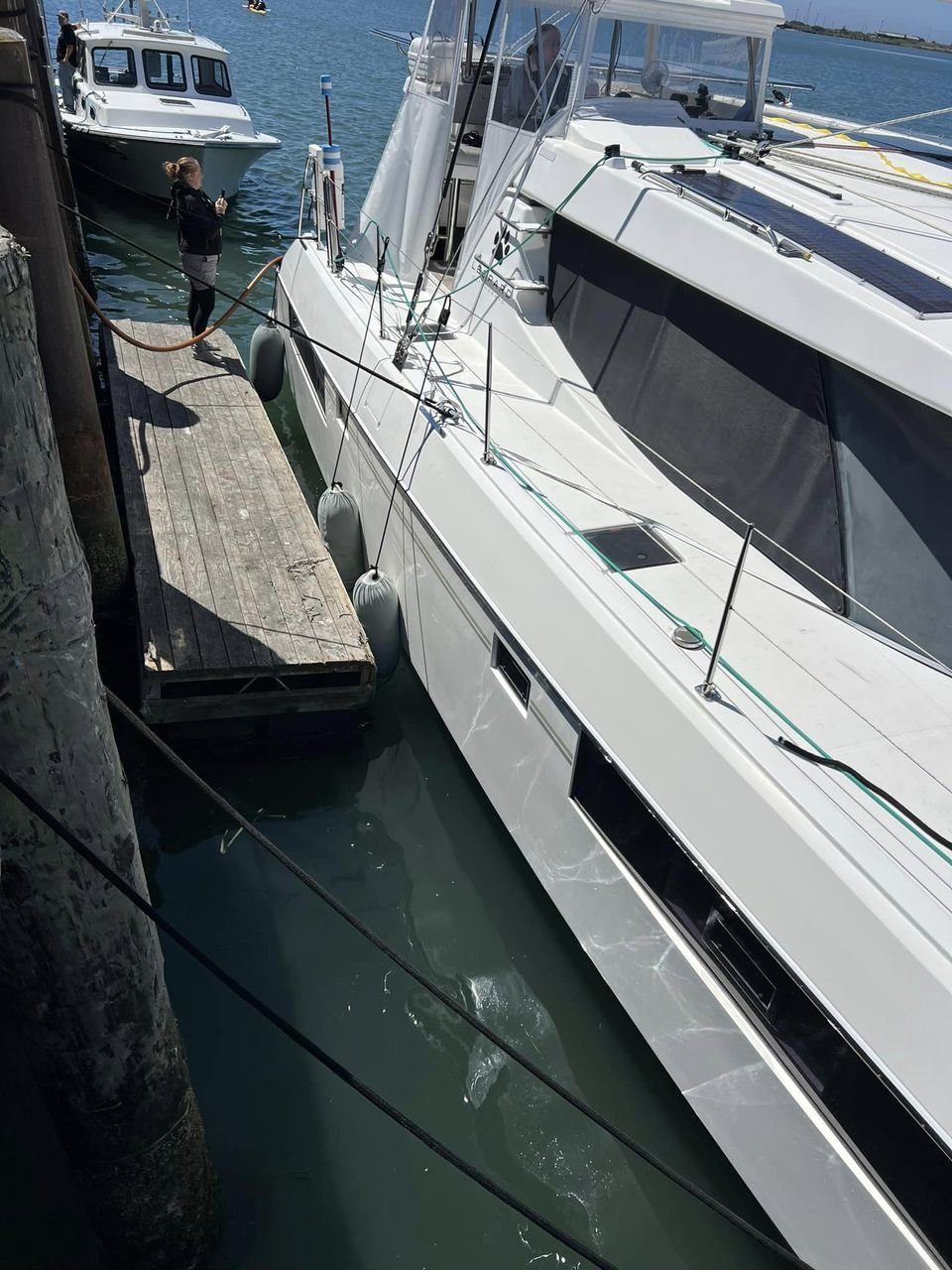
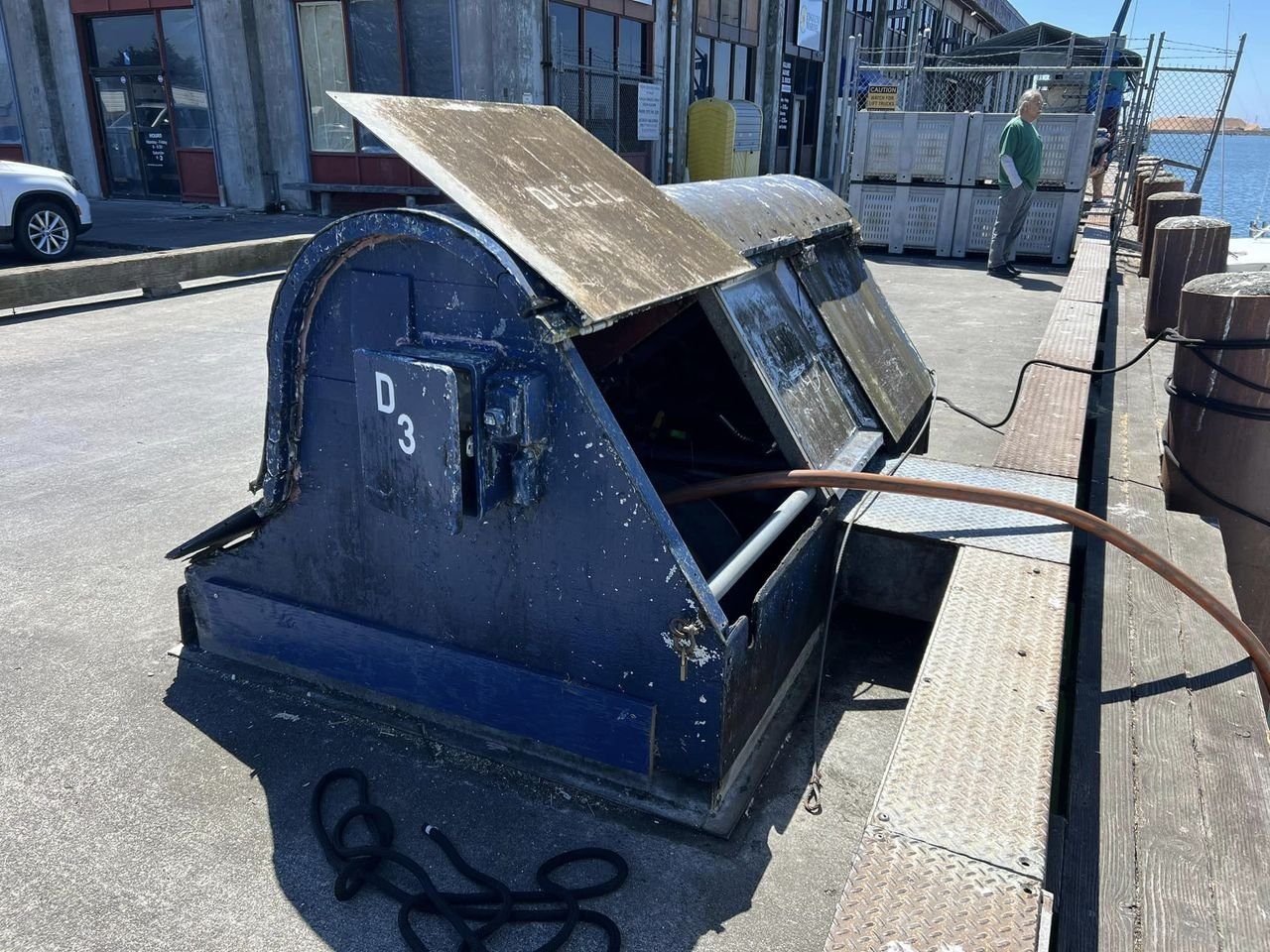
Day 5: August 15th, under calm seas and heavy fog, we crossed the Humboldt Bay Bar around 2pm, making an abrupt turn at the entrance as the fishing vessel we were following disappeared from AIS and radar… then resumed course after hailing them on the VHF to confirm their position. We had arranged to fill our tanks at the Englund Marine fuel docks. This was a true commercial vessel experience from the floating platform to the hoses reeled by pumps housed in metal bins… all I can say is I’m sorry for what I said while docking at the so called “floating fuel dock”. After docking at the Woodley Island Marina, the crew met for dinner at the marina restaurant and took advantage of the walking paths and fresh air to stretch our legs on land.

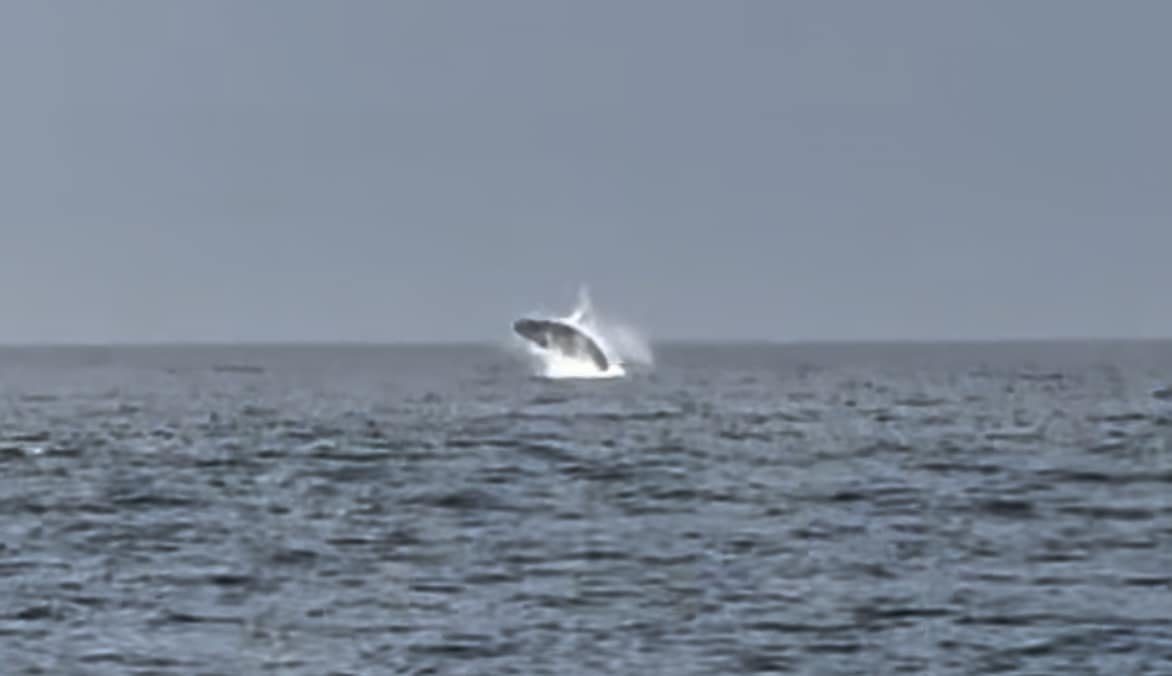
Day 6: August 16th, we departed Humboldt Bay under clear skies, minimal swell and light winds. Finally had some wind and sailed for 5-6 hours before starting an engine to motor again south to stay ahead of a low-pressure system. Sightings: several pods of dozens of fast-moving humpback whales throughout the day... a few came very close to the boat and even swam under us.

Day 7: Winds built from 9-12kts at midnight to sustained 18-20kts gusting to 23kts midday with wind waves 4-5ft. Sailed with just our jib making 8-10kts speed in these sporty conditions before the wind direction shifted so we motored south with both engines and a double reefed jib to provide some stability as we cut through the confused sea state. Safe, just uncomfortable.
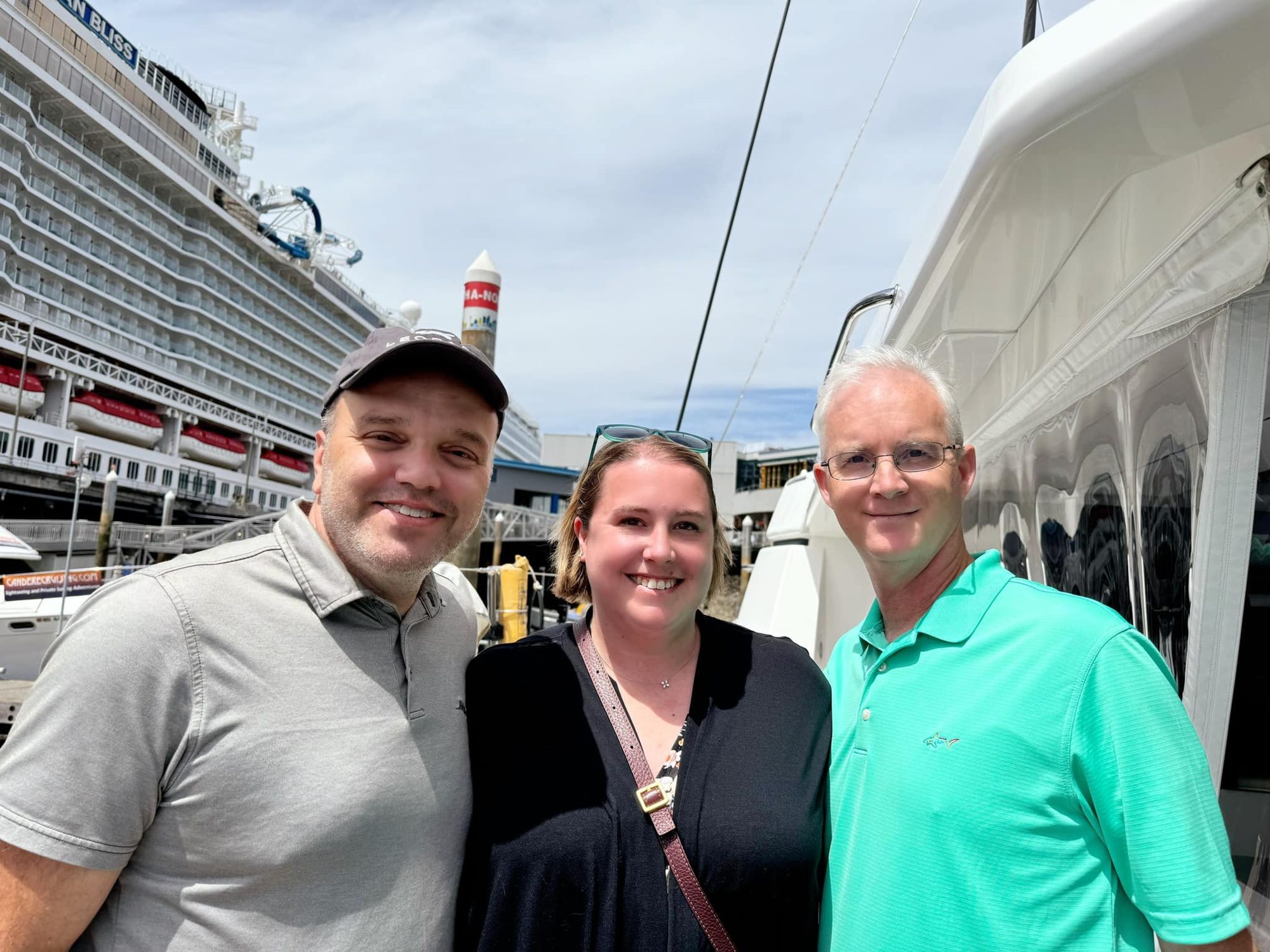
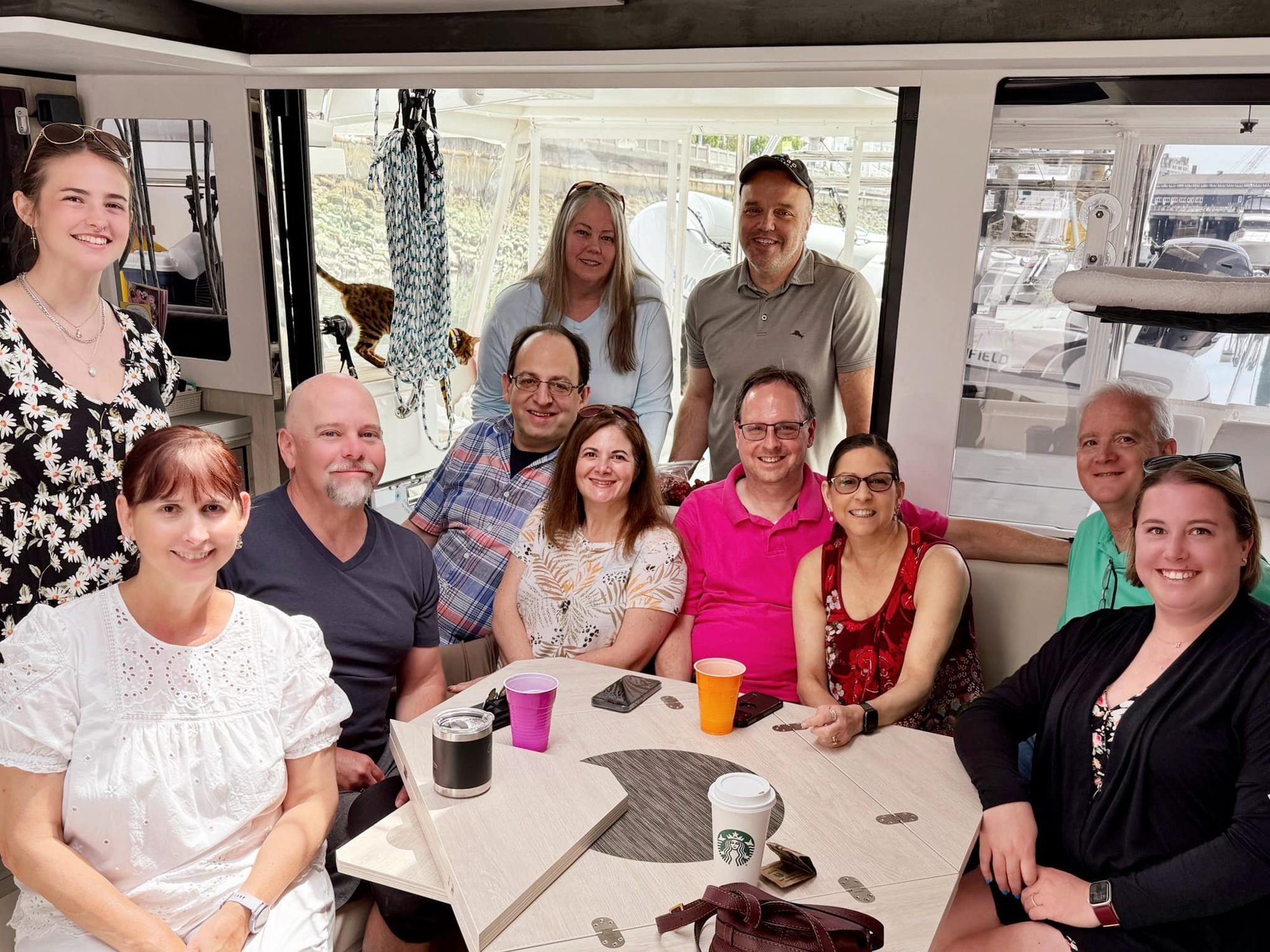
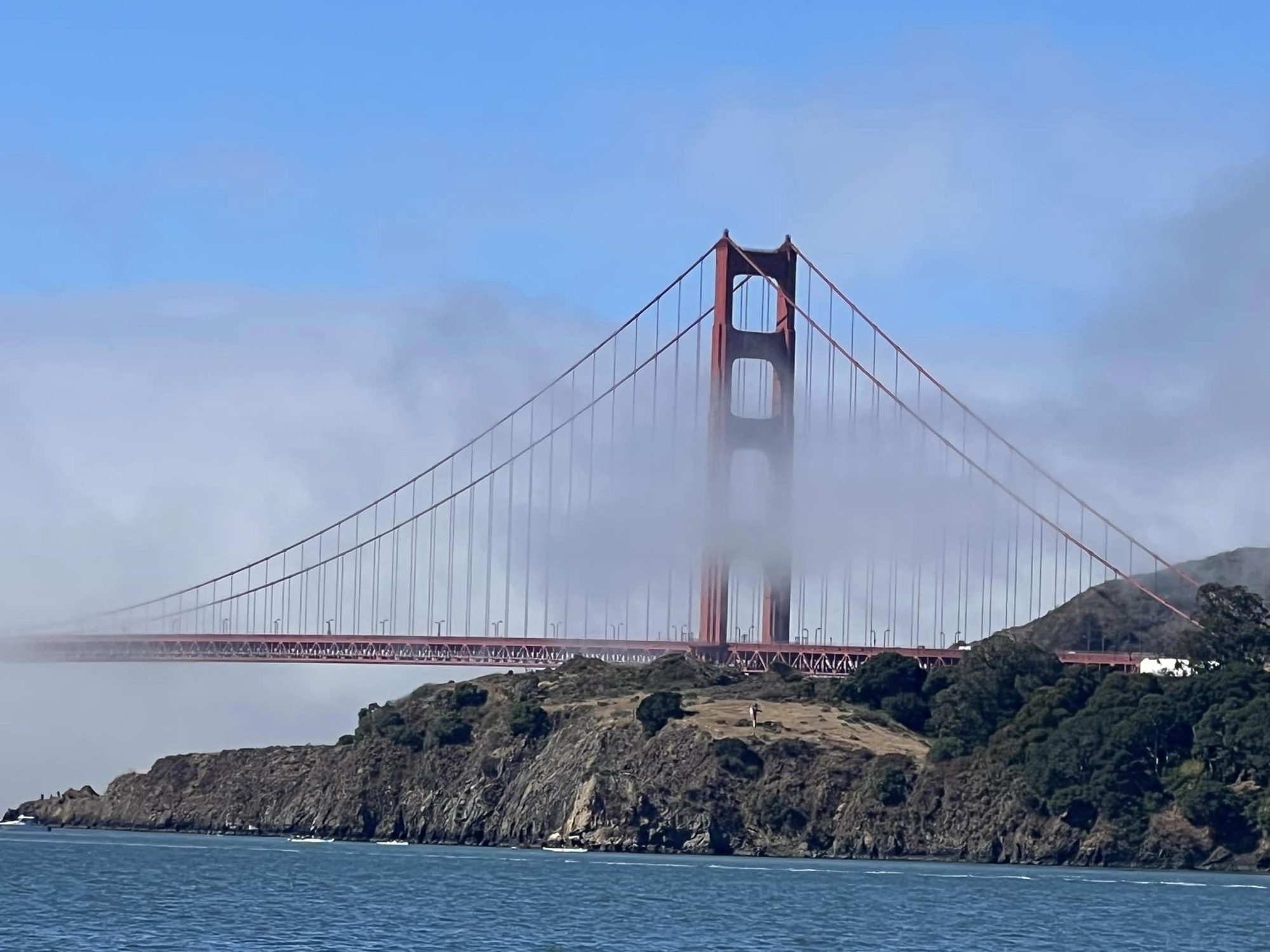
Day 8: August 18th, we had lots of excitement onboard as we passed under the San Francisco Golden Gate Bridge in moderate fog… once cleared, we turned into the channel for Sausalito under clear, sunny skies and warm temperatures.

This leg of our trip south is complete!

Preparing for the BIG LEFT TURN!

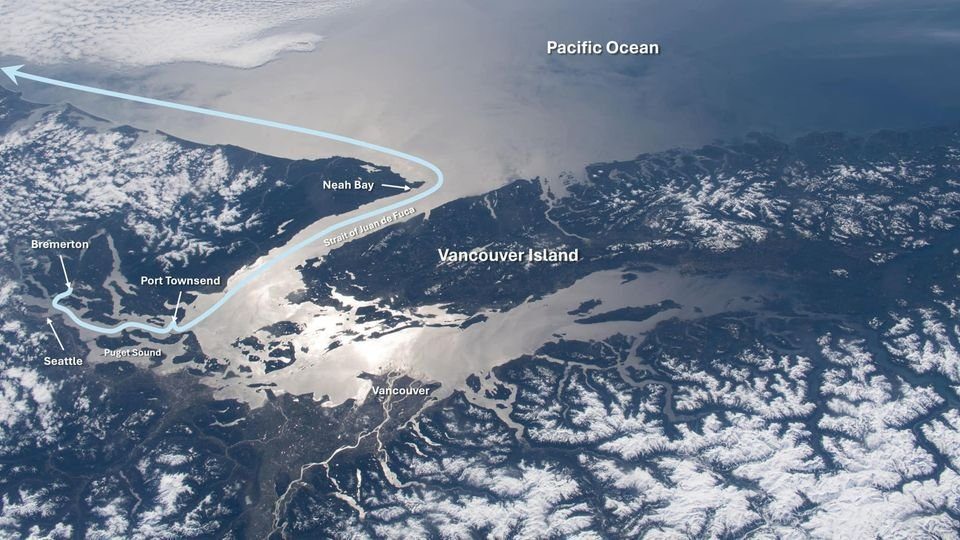
We’re preparing to make THE BIG LEFT TURN… a reference to when a boat gets to the westernmost end of the Strait of Juan de Fuca just after Neah Bay (WA) and can turn left and go as far south as they want to go!

We will depart the PNW in just over a week (weather permitting) and expect our ~800nm passage south to San Francisco (CA) from Port Townsend (WA) to take 10-14 days… and we’ll be offshore 25-50nm. If the weather pattern is favorable, we will go straight to San Francisco (CA), otherwise we’ll make a stop (or two) in Oregon until the weather/sea conditions at Cape Mendocino are favorable.

We will be in California for a few months working our way south and plan to depart early November from San Diego (CA) for La Paz (MX).

Satellite view of the Strait of Juan de Fuca and the Pacific coast

Saying Goodbye

Saying goodbye is an inevitable part of the cruising lifestyle… sailors sail around, they meet other sailors, become fast and deep friends, and then sail away. Maybe forever, maybe for many years.

So why do we put ourselves through this? The answer of course is that the friendships are worth it.

The phrase “fair winds and following seas” is essentially an expression of good wishes for safe travels on someone’s voyage at sea, wishing that they will have favorable winds pushing them forward (the fair winds) and waves moving in the same direction, helping them along (the following seas). It’s meant to be a blessing that covers all aspects of their journey: safety from storms, safe navigation across choppy waters, and good fortune throughout their travels—all at once!

So, fair winds and following seas to our dear friends… hope our paths will cross again.

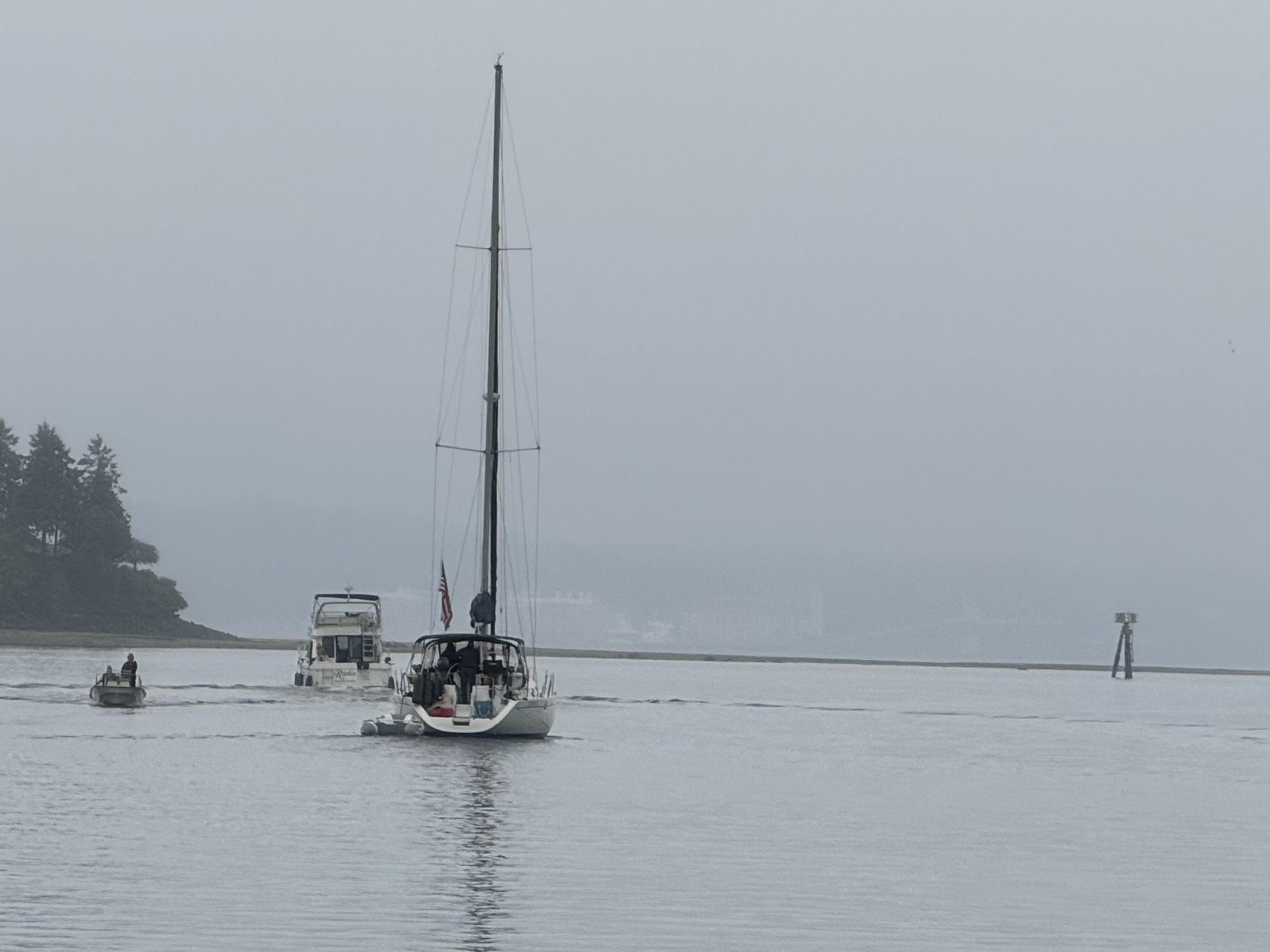
Sailboat motoring away in the fog

Eagle Harbor (Bainbridge Island WA)

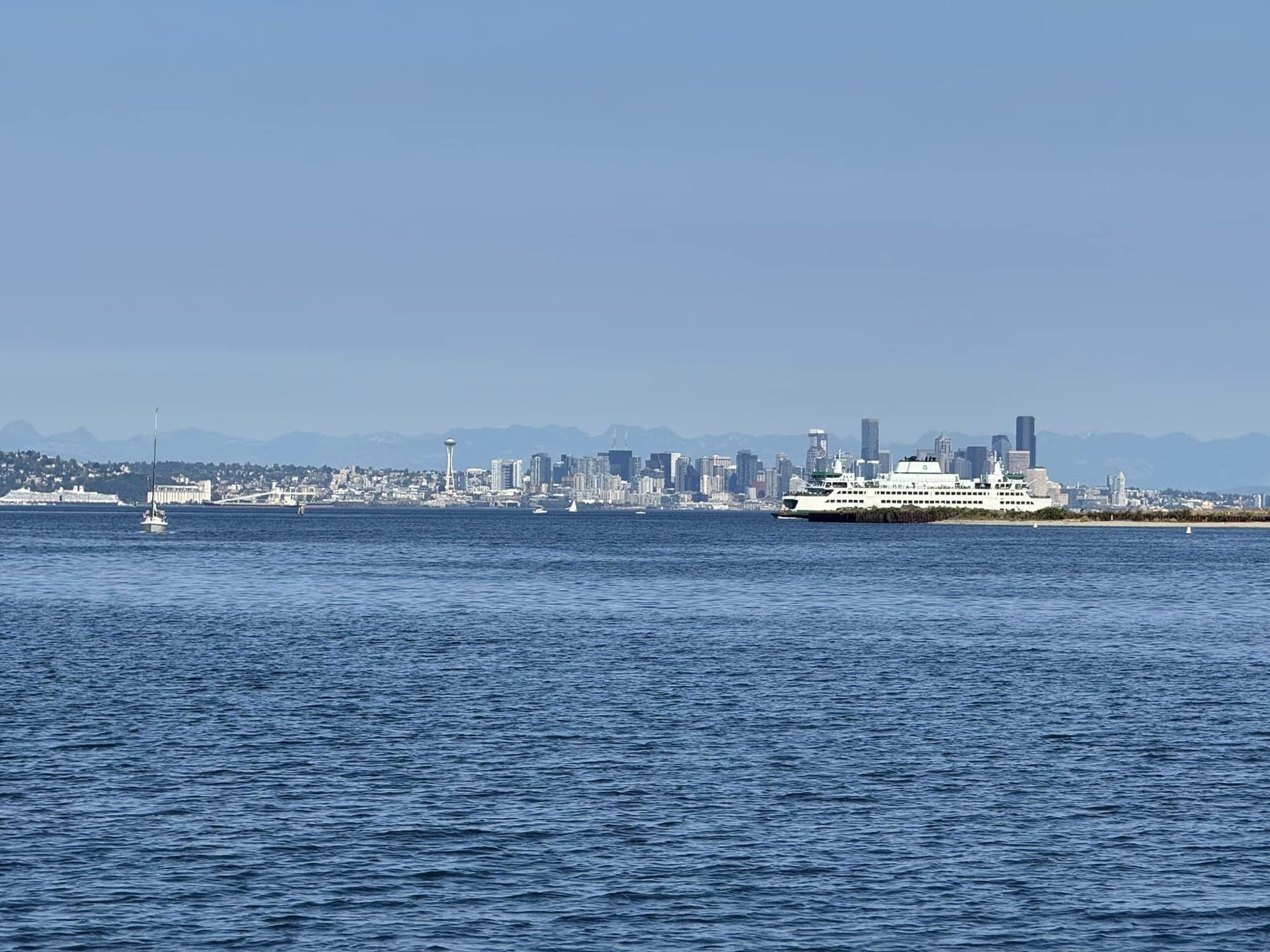
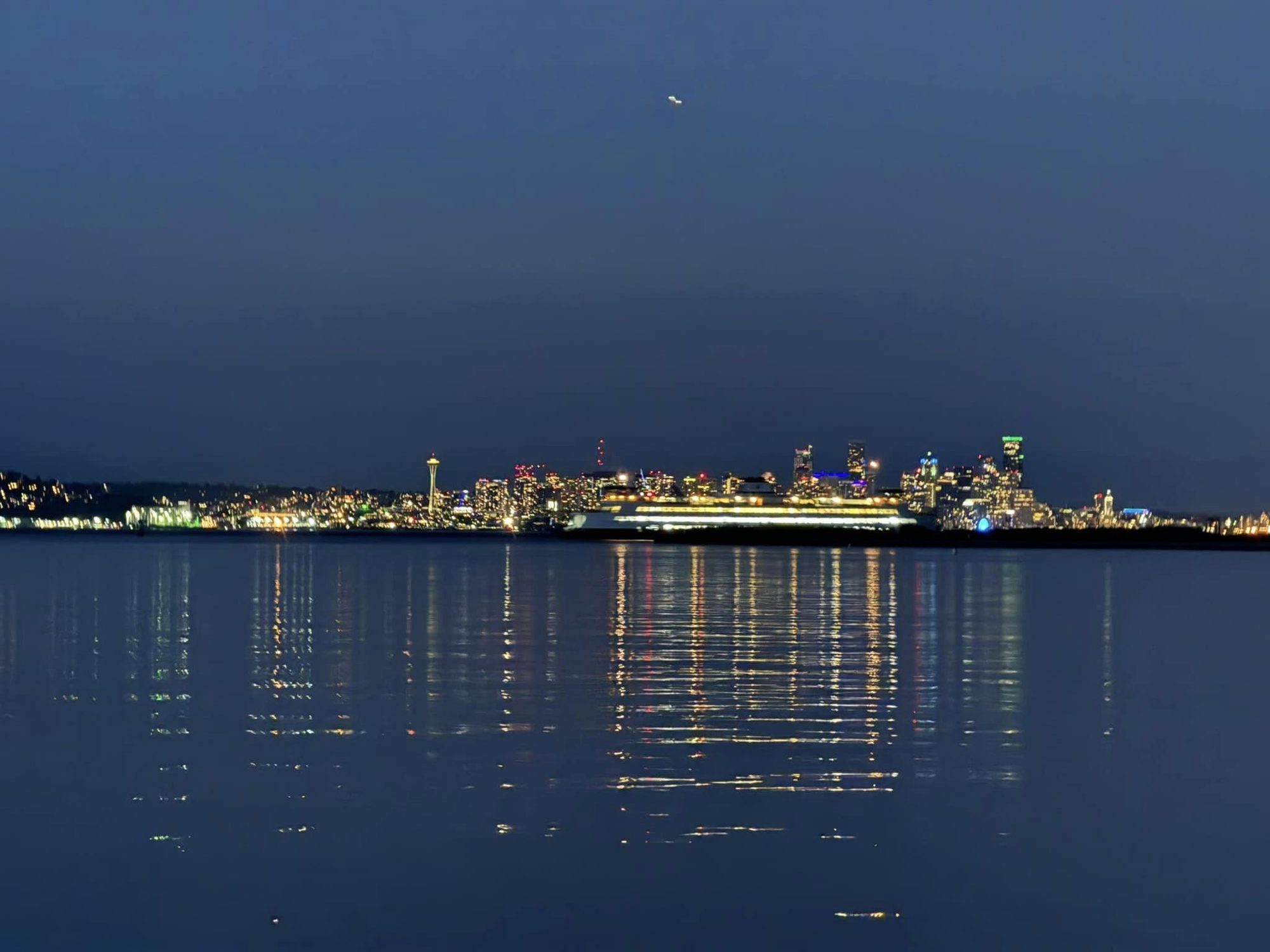
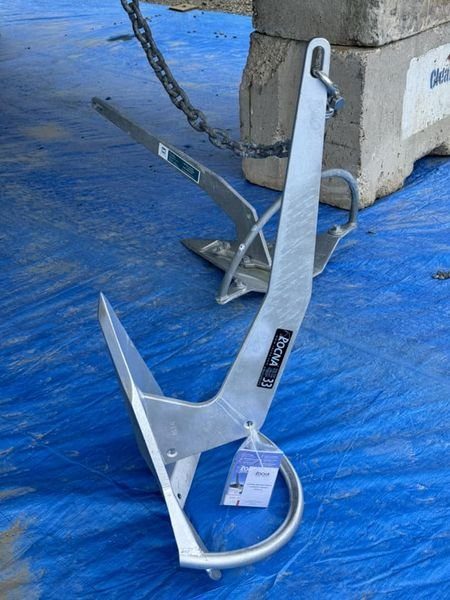
As we continue to make our way north and explore more of the central sound, we met friends (Darrell and Mary) in Eagle Harbor to celebrate their wedding anniversary and test our new anchor in this calm anchorage with great holding and amazing views of downtown Seattle.

Downtime on Blake Island

Mid June, we took a break from boat and land projects to visit Blake Island for a few days. Getting off the dock in 20+kt winds in Bremerton would have been more challenging without the help of our marina friends Grant and Kevin… however, picking up a mooring buoy in 20+kt winds was entertaining for any boats anchored or passing by.

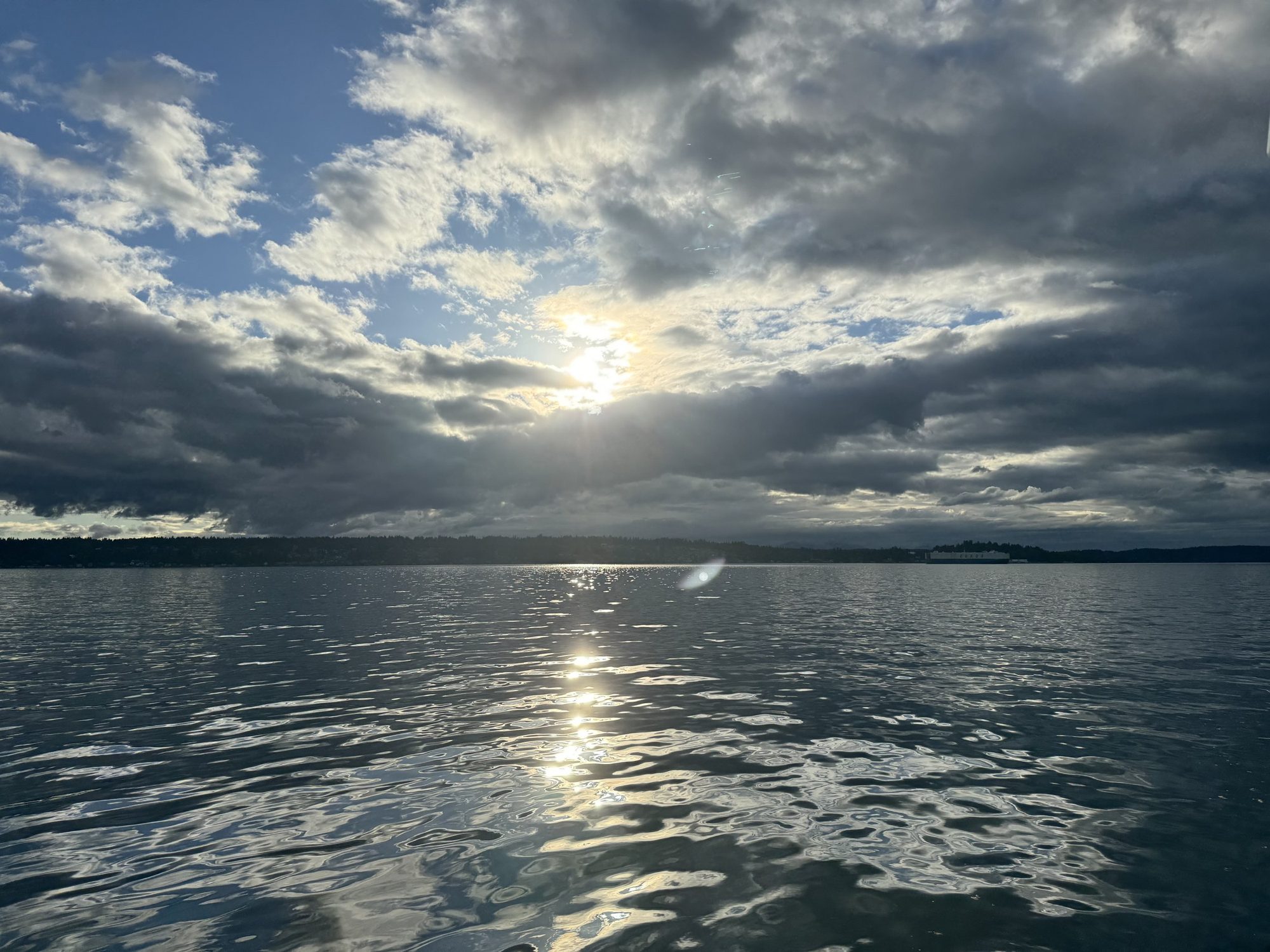
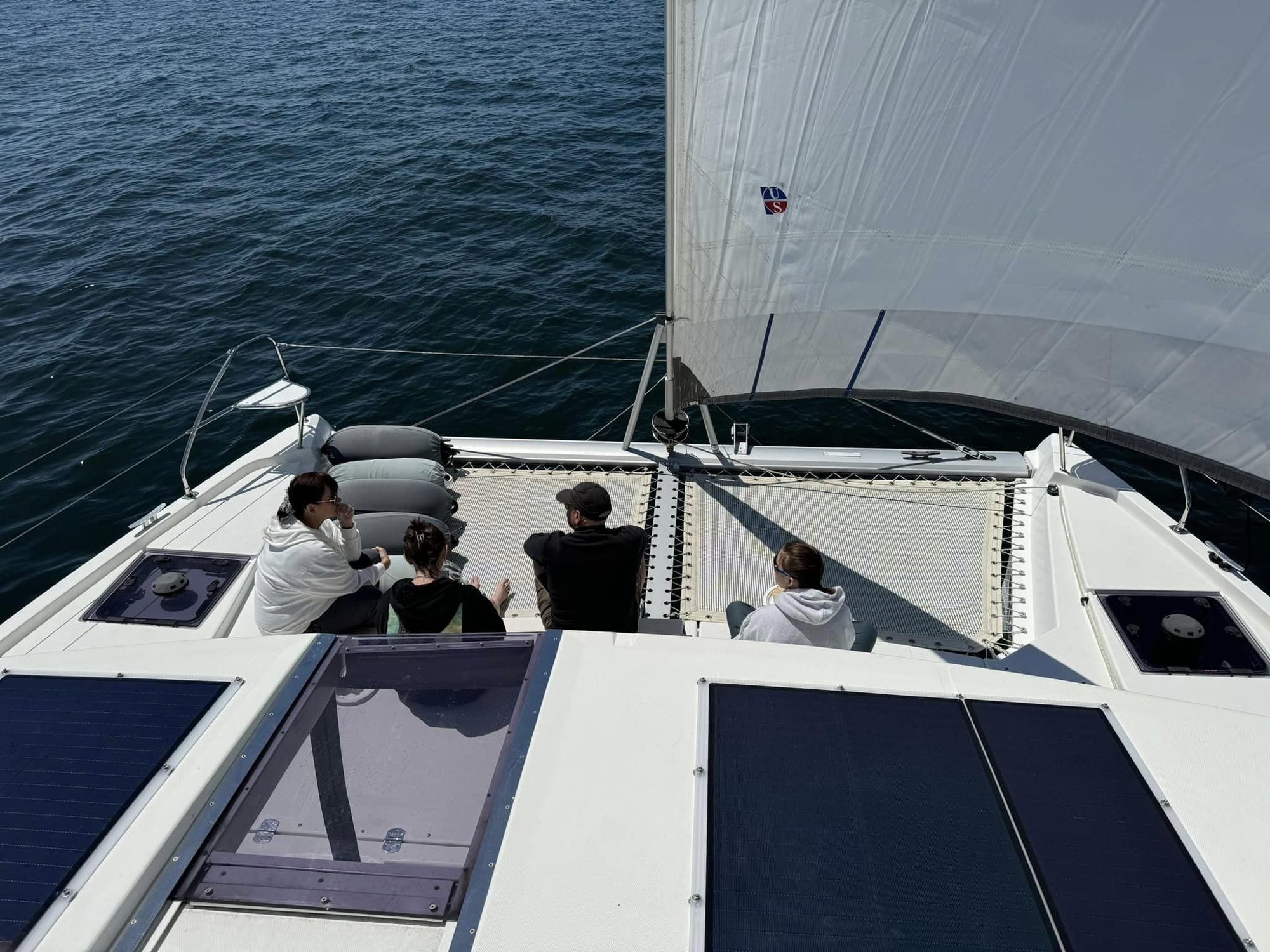
We settled into the west anchorage of Blake Island, which was sheltered from wind and commercial maritime wakes. Our time was filled with calm seas, sounds of an occasional boat or floatplane engine drowned out by the joyful, rhythmic notes from birds singing on shore, and watching a family of raccoons scavenge the shoreline for food.

Sun breaking through clouds over calm water at Blake Island

Seattle Waterfront - Bell Harbor Marina

Our friend Darrell joined us as crew on our shakedown sail from Port Townsend to Seattle. Was good having the extra set of hands and he enjoyed holding “the big wheel” during his time helming.

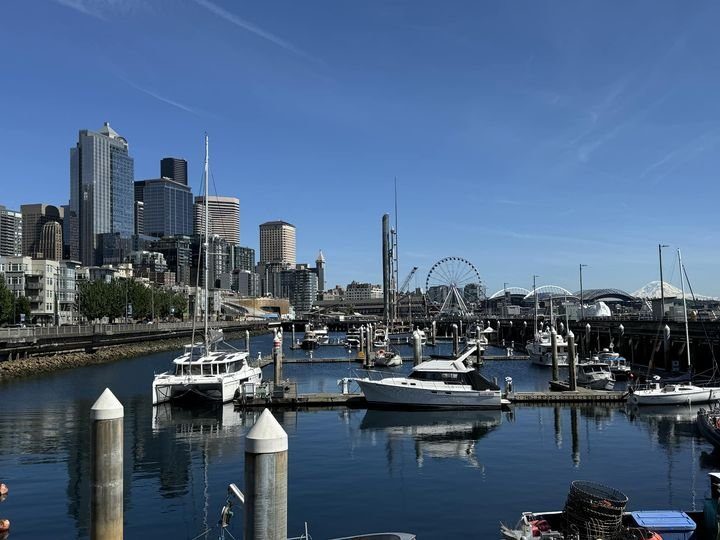
While moored in Bell Harbor Marina, our time in downtown Seattle was consumed by visits onboard with family and several of our Seattle and Ohio friends… and it was fun having a few join us for a day sail to Bremerton.

Solar-Lithium-Electrical+ Refit (2024)

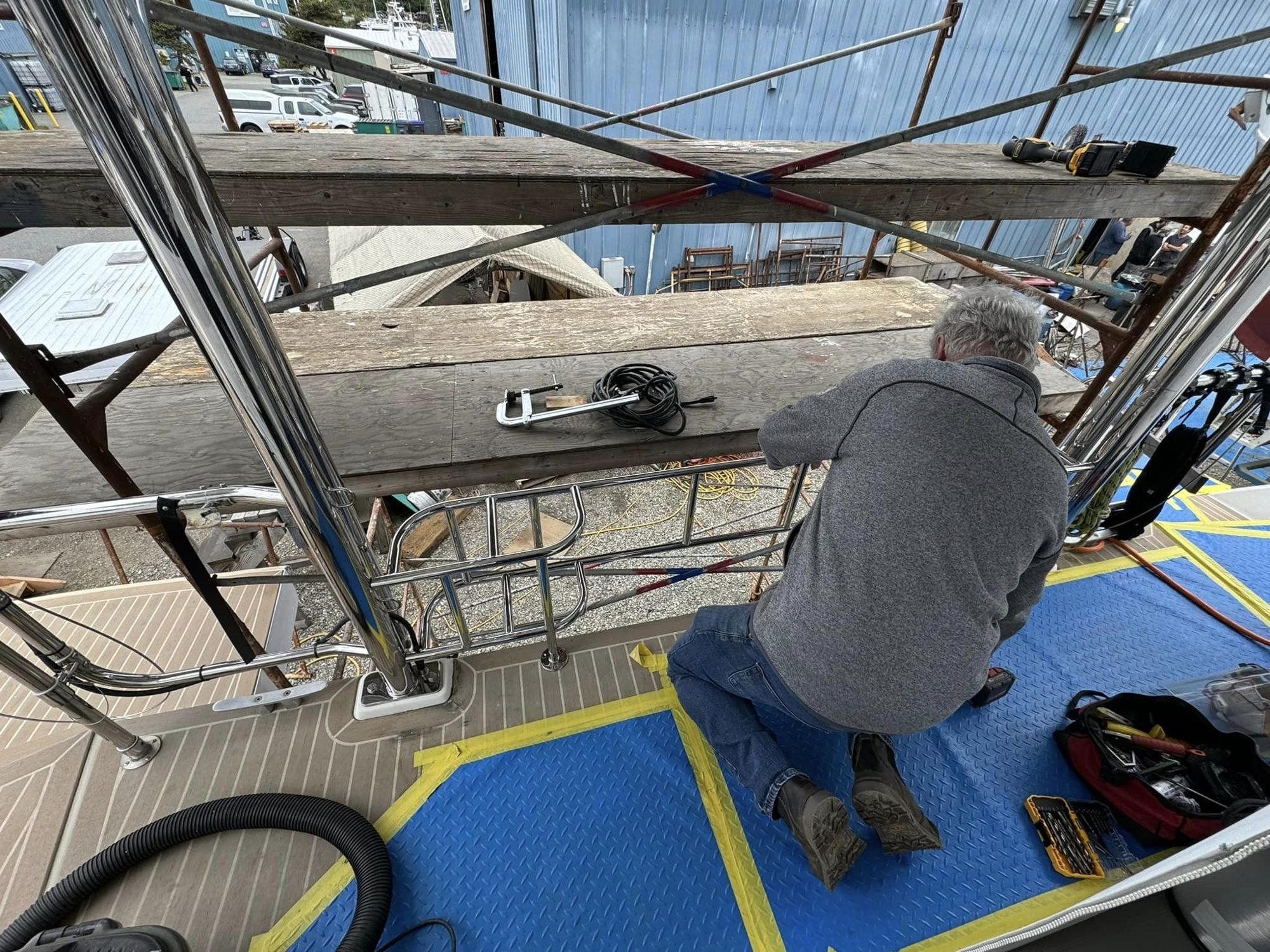
In February we hauled out in Boat Haven Marina (Port Townsend) for our long awaited electrical+ refit. We focused on a massive list of boat projects and were grateful for the skilled trades, Marina Cafe, Blue Moose, Sunrise Coffee, Pane d’Amore, Fountain Cafe, Silverwater Cafe and the occasional social visits by our friend Greg during the 3 month and 2 day refit!

Here’s a summary of the work performed…

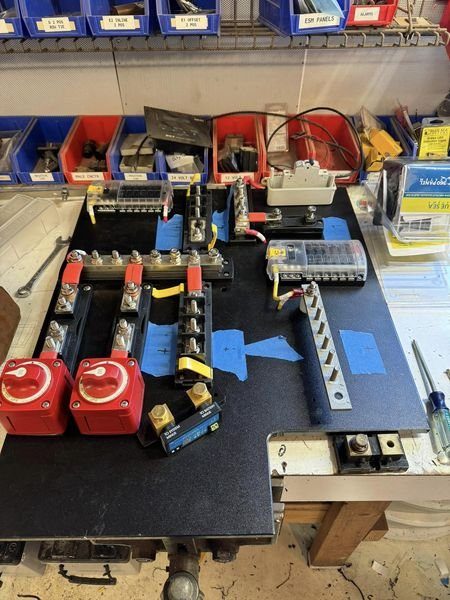
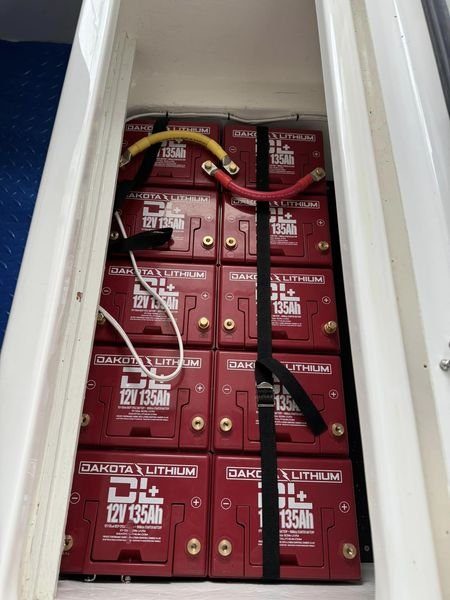
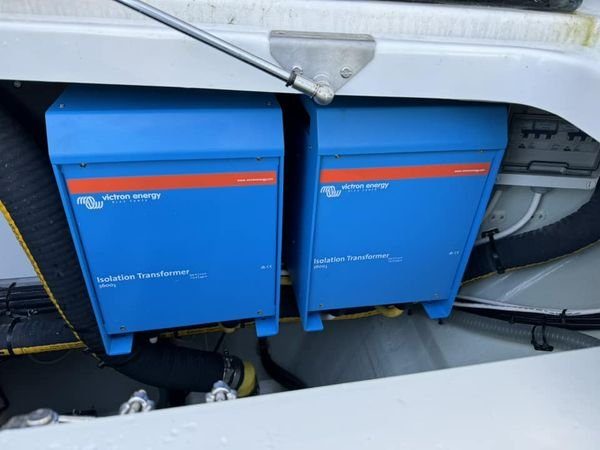
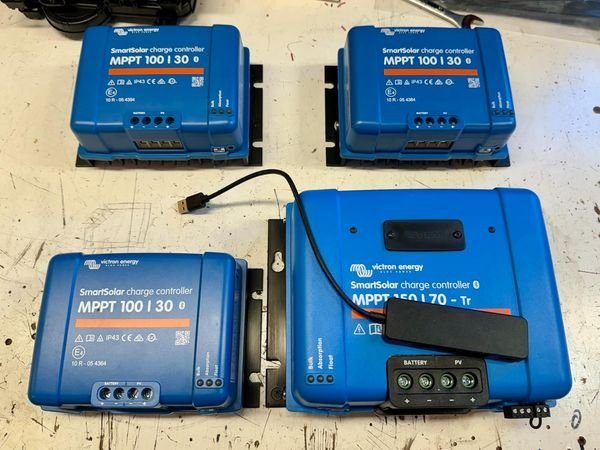
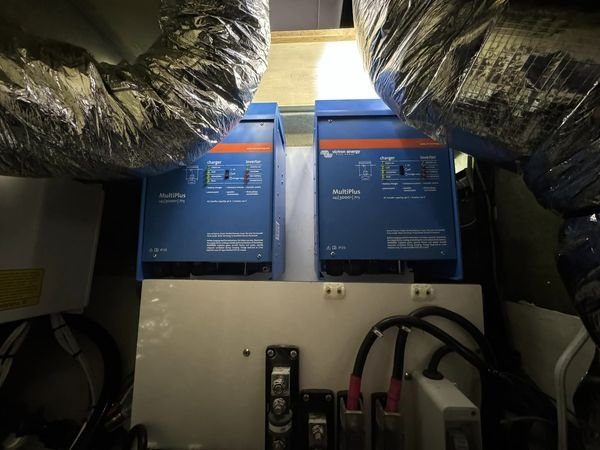
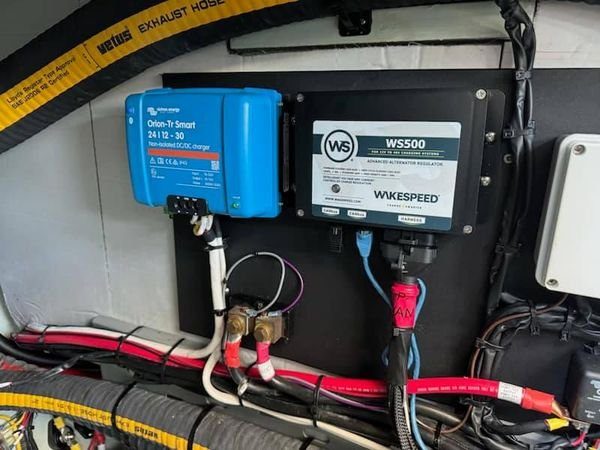
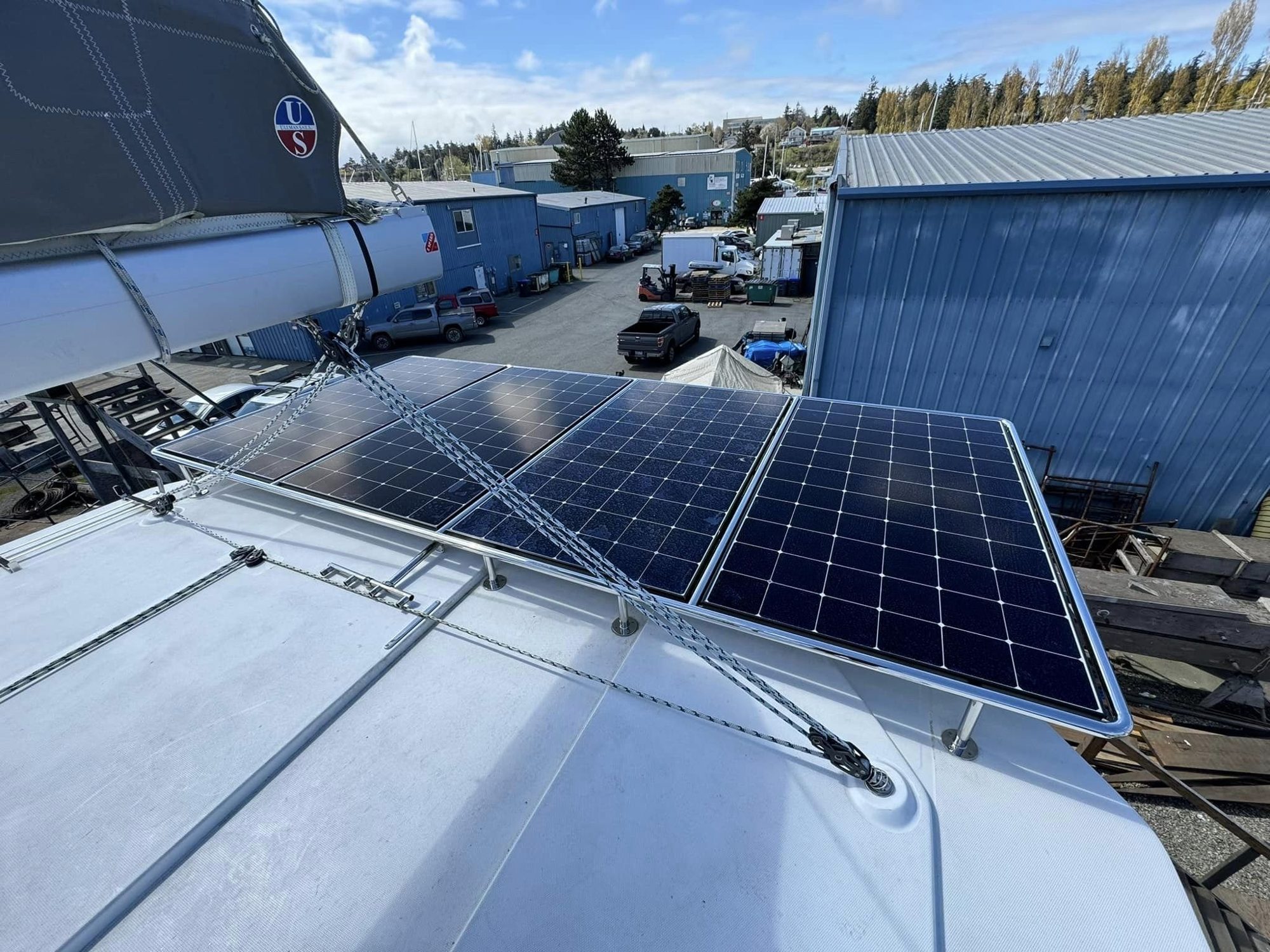
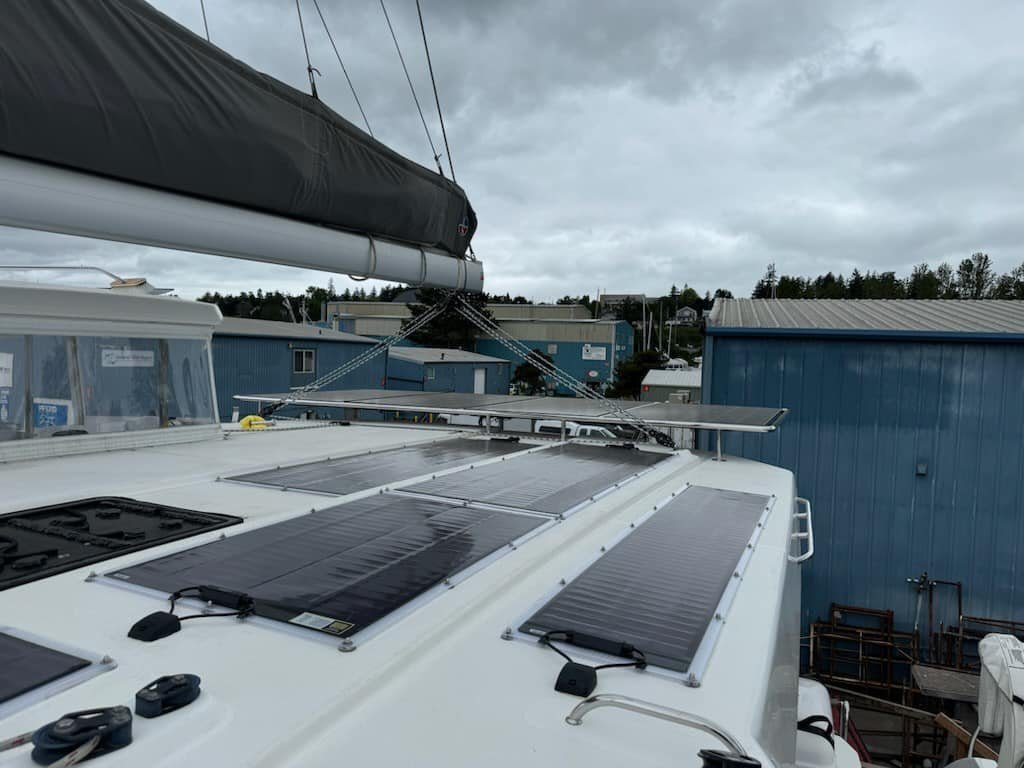
Installed 2-3000w inverter chargers that charge 2 lithium banks: 12v 270ah running bank and 24v 540ah house bank. Batteries are chargeable by engine (new Wakespeed regulators and 24vdc 140A Leece-Neville alternators), shore power, generator or solar: (1760w rigid panels mounted to arch (SunPower/Maxeon) and 1500w walkable panels (bougeRV) attached to the coach roof on corrugated polycarbonate with weld mounts). Upgraded our galvanic isolators to more robust dual isolation transformers to better protect the boat from marinas with bad/hot power setups. This also sets us up as “global power” as the incoming power can be 120/240v or 50/60hz… doesn’t matter, we just need the correct connectors/plug adapters for the country we’re in. Majority of the electrical was designed and installed by Revision Marine (Boat Haven Marina, Port Townsend).

Replaced our current HVAC units with Frigomar 24v AC 16k BTU HVAC that will run off the house battery bank. Installation by Mark McBride at Ice Sea Refrigeration (Seattle).

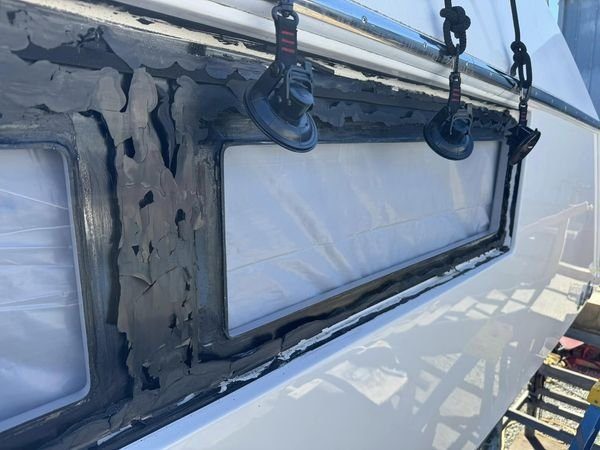
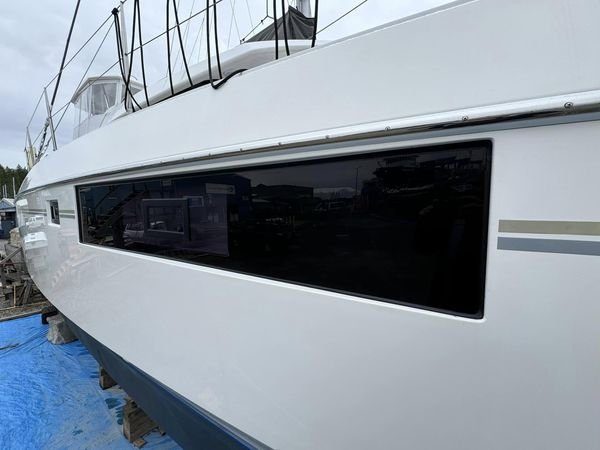
Had the hull windows and saloon skylight rebed by Gold Star Marine (Boat Haven Marina, Port Townsend).

The stainless solar arch and dive rack were designed, built and installed by Alan Phillips at Bristol Marine (Kingston).

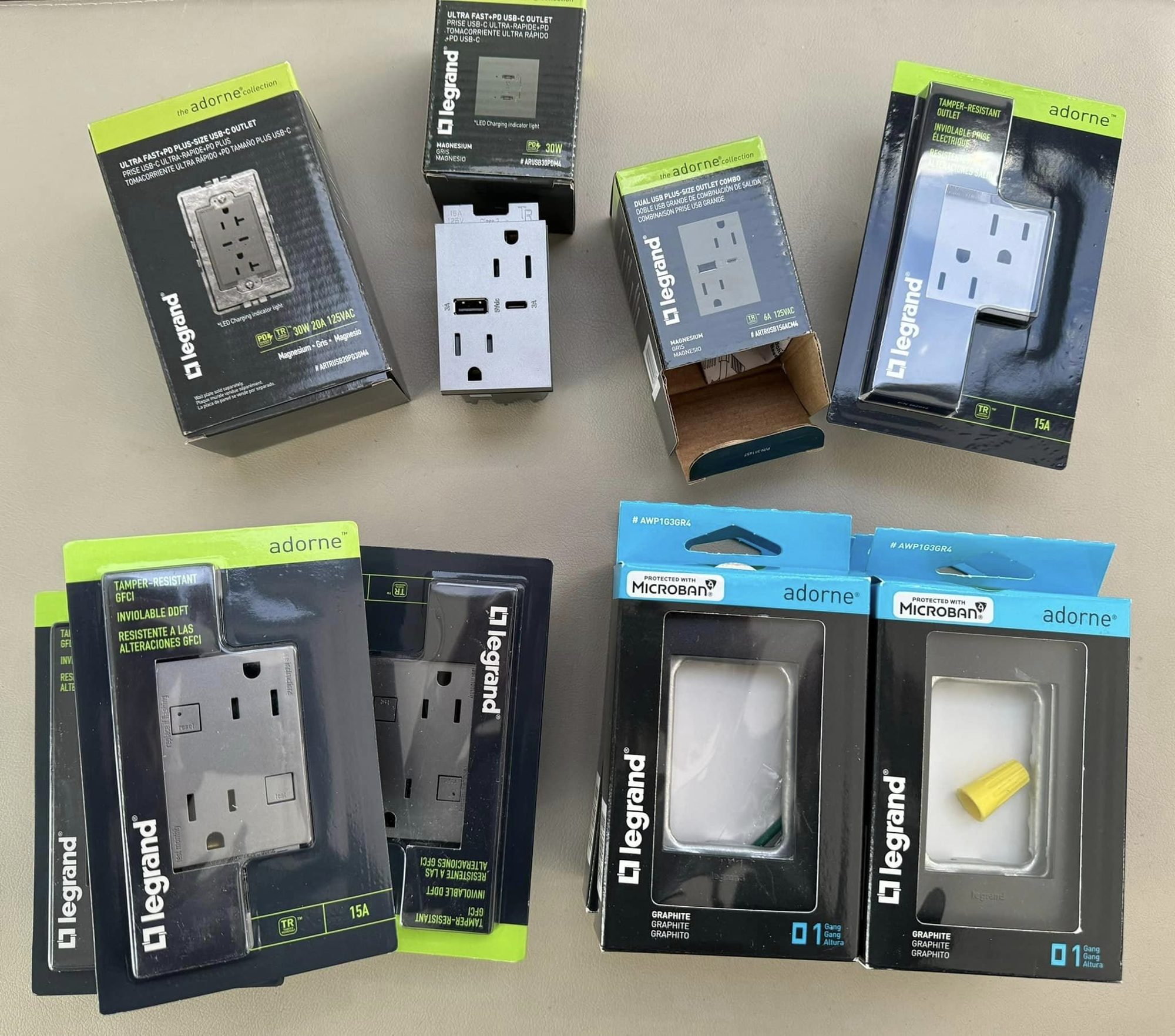
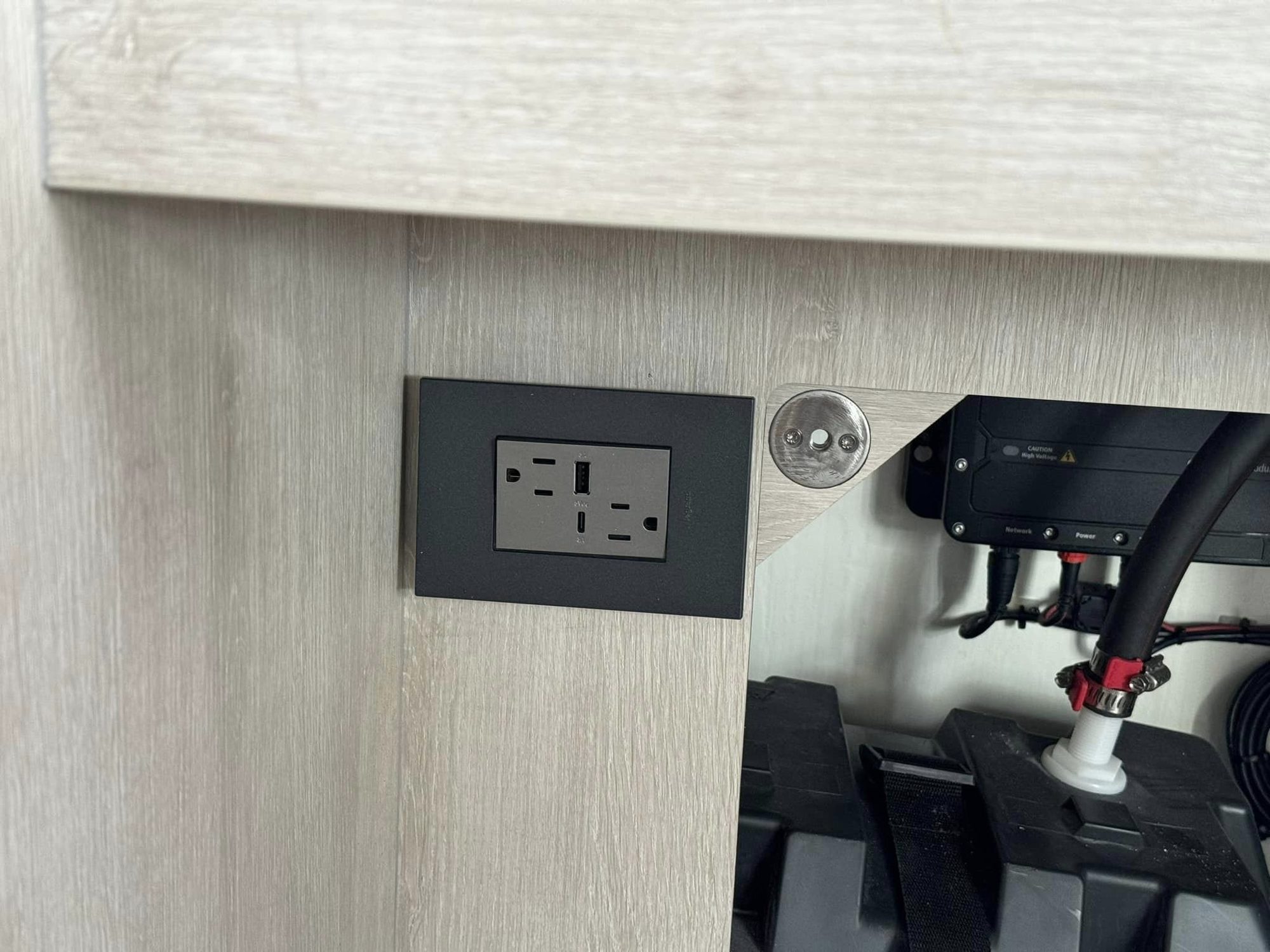
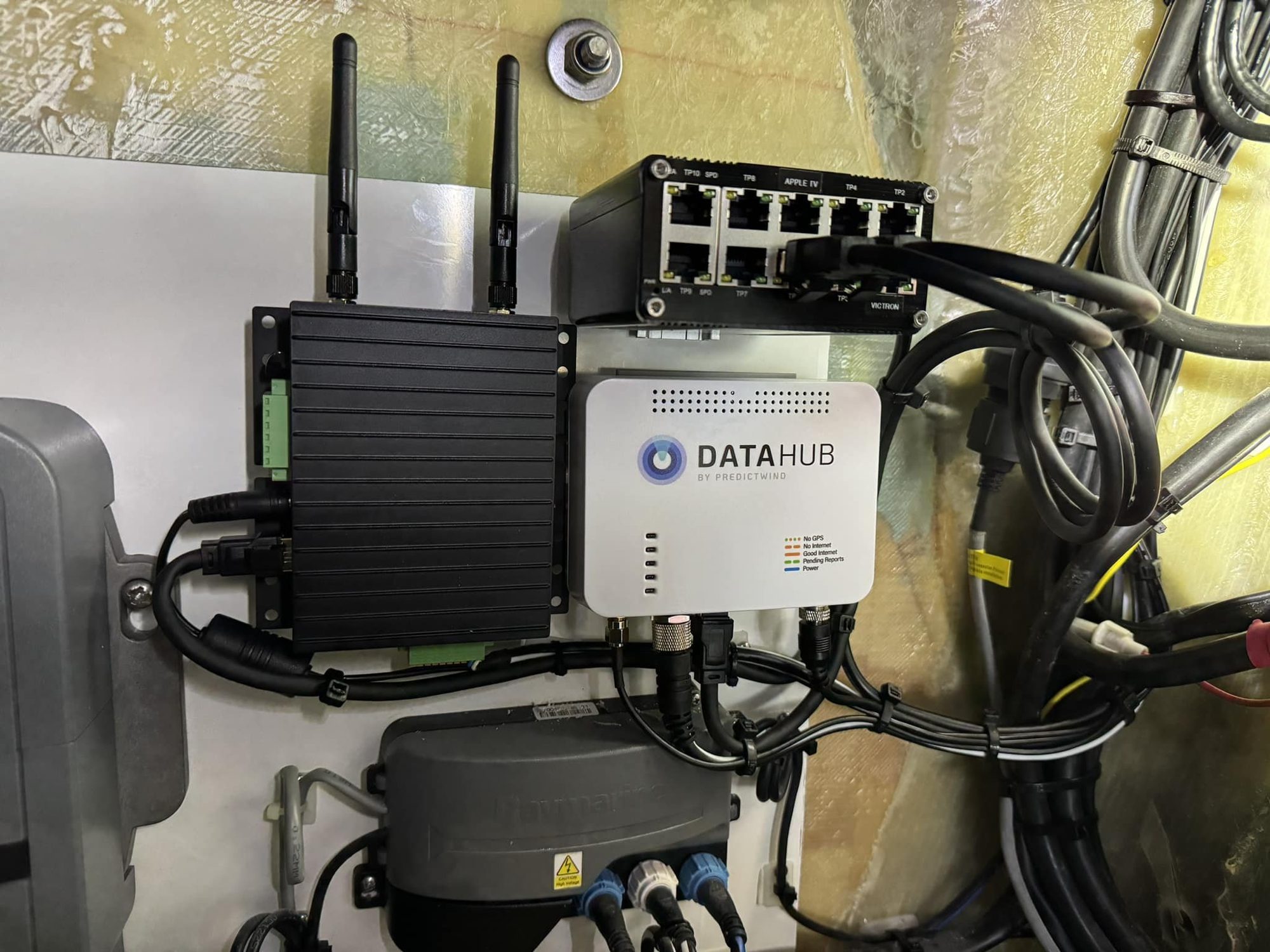
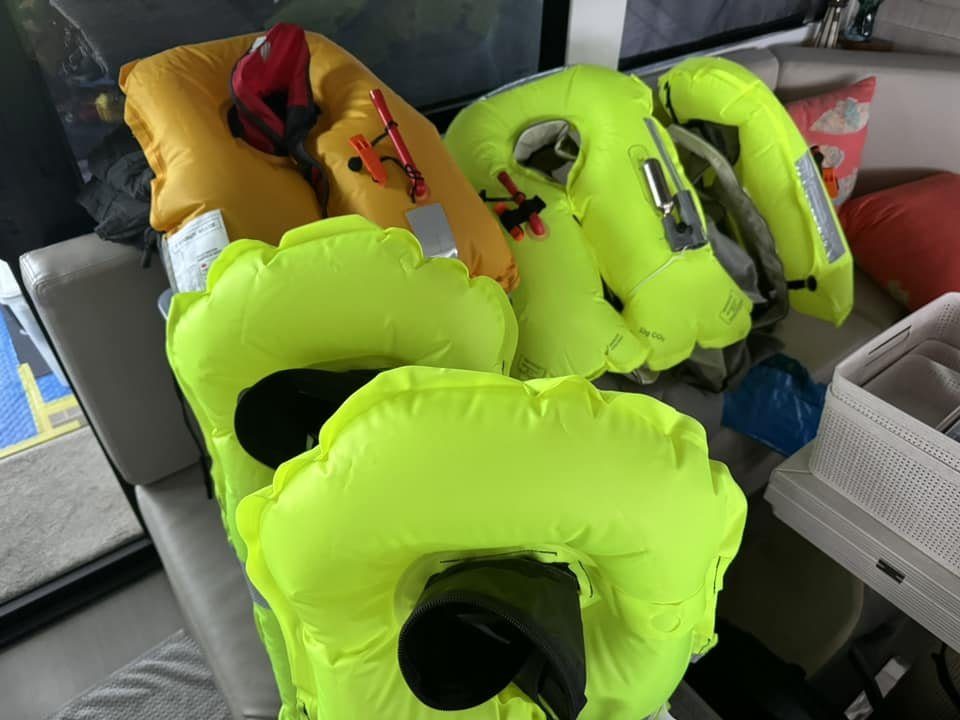
And lastly… added a few outlets in more accessible locations, reconfigured existing outlets to better align to how they’re used, added blocks to run the lines to the helm for a downwind sail, upgraded anchor to 73lb Rocna, installed iNav4U and PredictWind DataHub, recertified the life raft and EPIRB, and tested/serviced all inflatable PFDs.

Offshore Emergency Medicine Certification (2024)

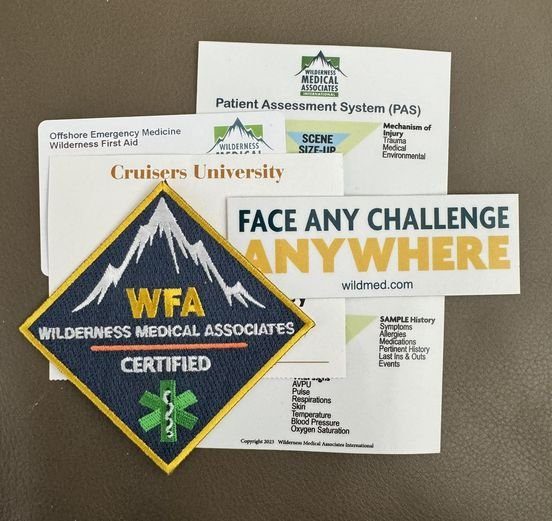
Completed our Offshore Emergency Medicine certifications with Wilderness Medical Associates International through the Annapolis Boat Show’s Cruisers University.

The 36-hour course prepares voyaging sailors/professional mariners on prevention and treatment of injuries and illnesses in the largest and most remote wilderness on earth (aka ocean)… the case studies, scenarios, hands-on skills labs (IVs, sutures, staples, injections, braces, etc) and kit discussions were excellent!

Wilderness Medical Associates certification card and course materials